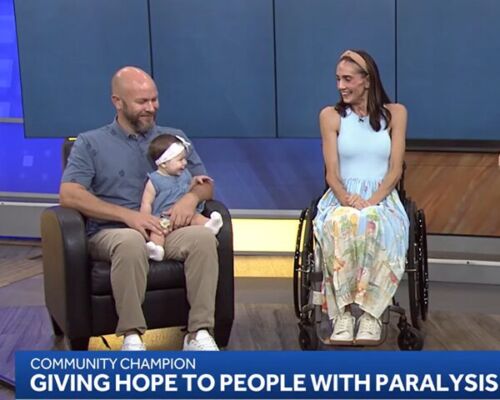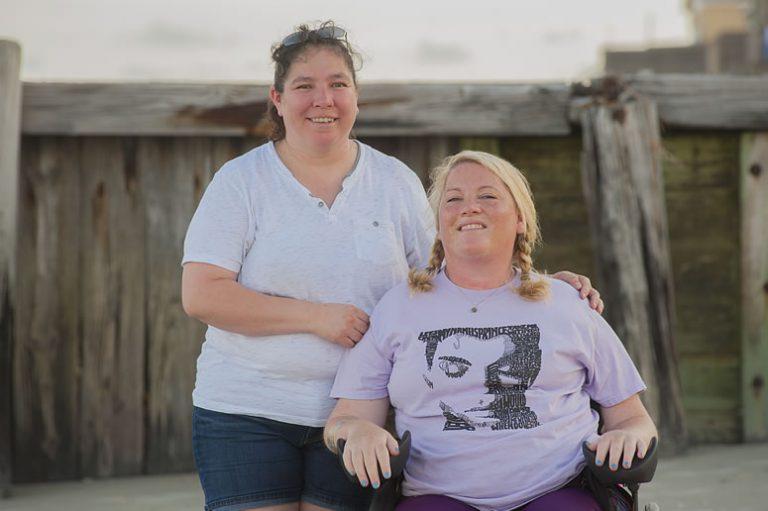
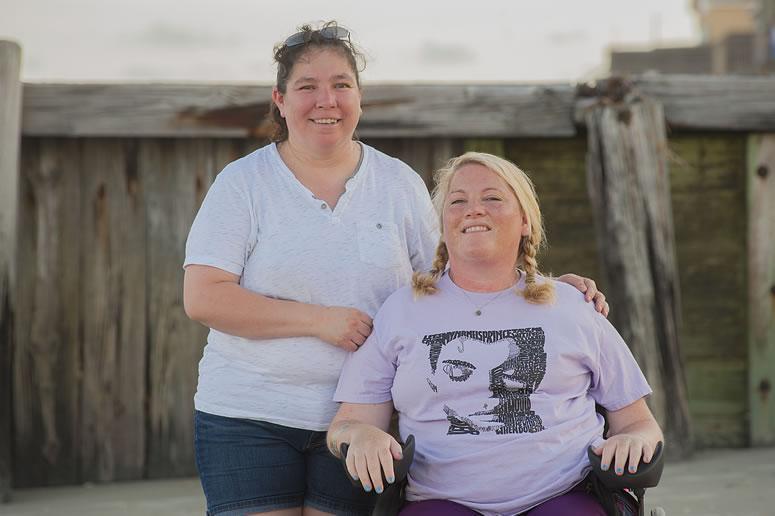
In August 2014, Elizabeth “EB” Forst, a doctor of physical therapy, was working as a travel orthopedic physical therapist when she sustained a C4-5 spinal cord injury in a diving accident, leaving her completely paralyzed from the neck down with little to no movement or sensation.
Prior to her injury, she was independent, active, and adventurous. She had competed in six triathlons, traveled extensively all over the world, was an active and advanced scuba diver, loved live music, practiced daily yoga and meditation, and even attended and worked at the Burning Man festival for 13 years. She has been fundraising with Help Hope Live since September 2014. This is her life now.
How does your life look different today than it did right after your injury?
Initially, because of my heightened medical state and complete paralysis, independent living was absent in my life. I was at the mercy of local health care agencies, where the caregivers had little or no experience with individuals recovering from a spinal cord injury. The care was downright poor. I had to identify and personally train local caregivers to support my health needs a.m. and p.m. This is the first mountain to climb after injury–educating and directing others on health care needs is exhausting as you onboard new team members, which even today happens often as my team shifts.
With my current team in place, I have greater control over my life. I am so grateful for this group of women who take such great care of me every day. Along with my ever-supportive family, they are my lifelines.
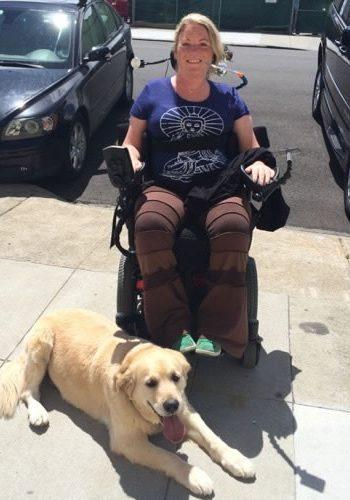
Finances have changed. Initially, with no work income and my dependence on Colorado Medicaid, I was paying exorbitant out-of-pocket costs for my certified nursing assistants (CNAs). Fundraisers with Help Hope Live helped my family foot the bill for many of my out-of-pocket costs that were causing me to feel like I was a financial burden. Luckily, Colorado is one of only a handful of states in the country that supports Consumer-Directed Attendant Support Services (CDASS), which, with approval from the state of Colorado, allows individuals like me to receive financial assistance from the state to pay my support team as I see fit, including CNAs, family members, and personal assistants. I break free of utilizing health care agencies and pay my own personally-trained staff.
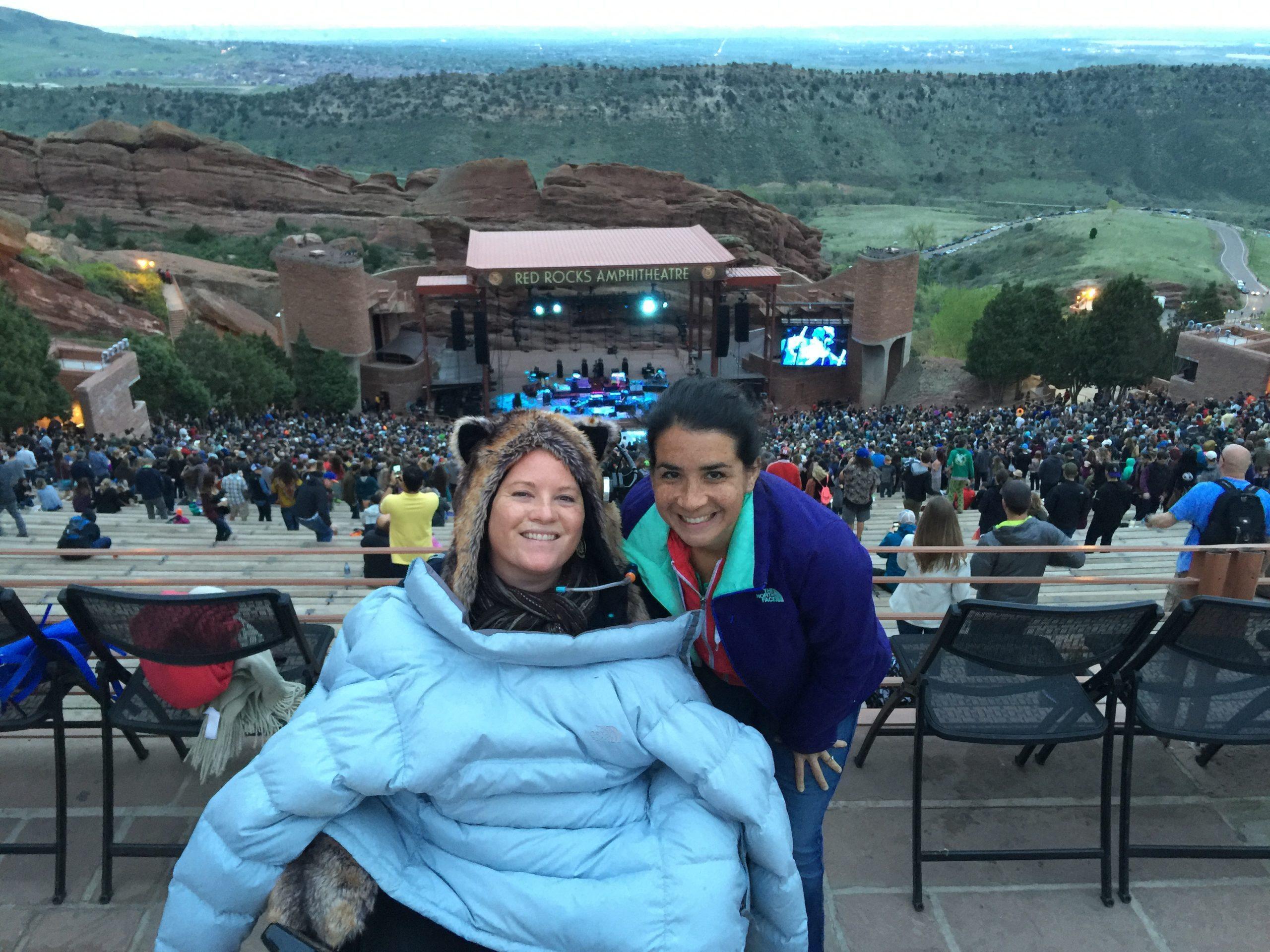
My independence has improved with the assistance of my CNAs, personal assistants, and new technology within the home. I am an active advocate for the spinal cord injury community both nationally and locally. I travel often and take advantage of the beautiful outdoors here in Colorado as well as the live music scene. Red Rocks amphitheater is a favorite in the summer.
What are some of your hobbies today?
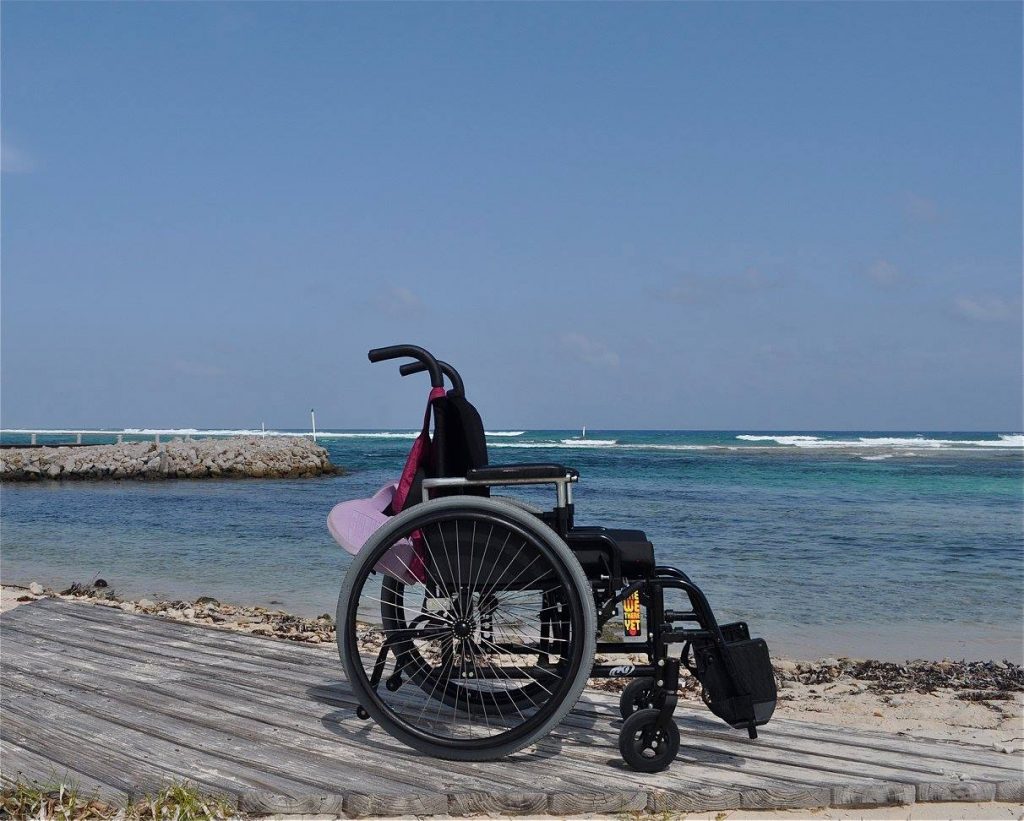
My biggest pre-injury hobby was travel and so being able to travel and find adventure after injury was paramount. With a lot of training and maybe a little bravery, I’m happy to say that I have flown over 15 times since my injury to places like New York, San Francisco, Los Angeles, and South Carolina.
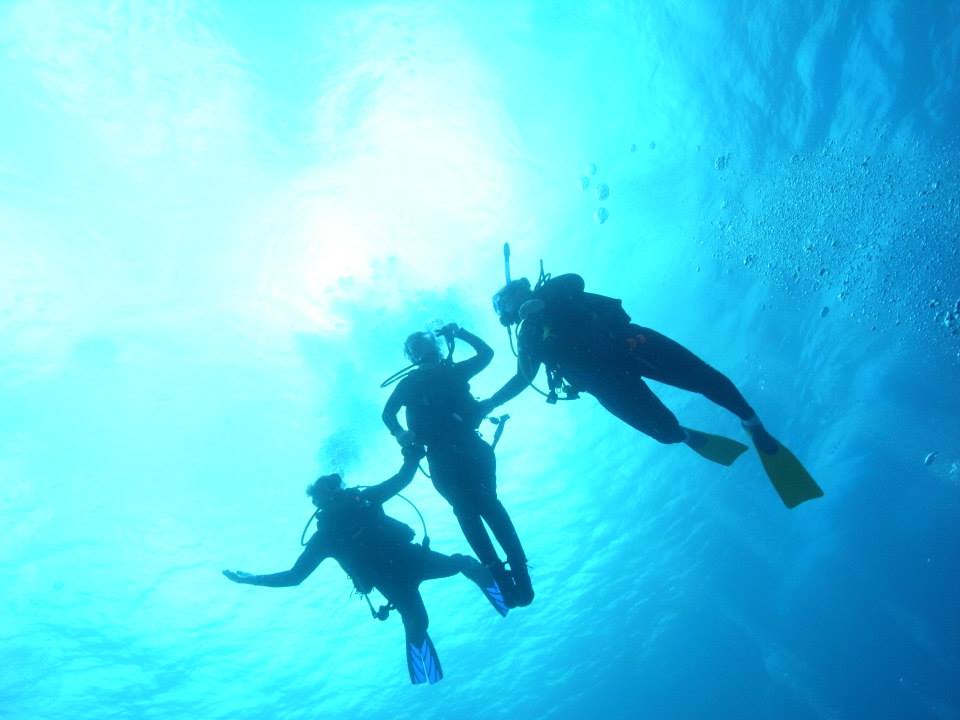
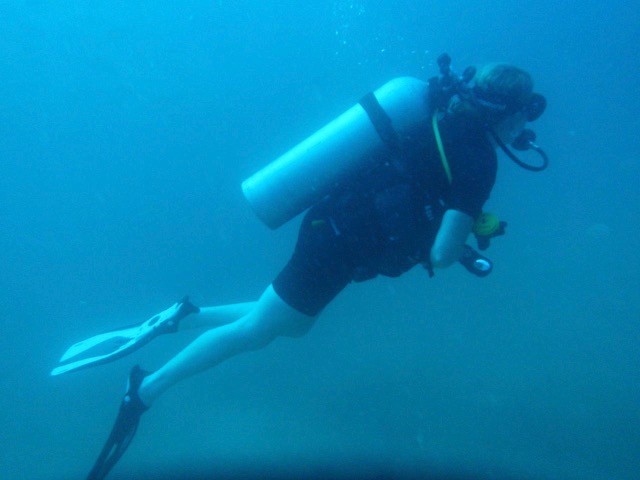
I was an advanced scuba diver pre-injury, and I completed my first post-injury scuba dive last year in Mexico with the assistance of the therapeutic recreation department at Craig Hospital. As a team, we tackled 10 dives in just five days, with the deepest dive at 95 feet—quite a feat for a high-level quadriplegic! My dive buddies supporting me underwater were not able to learn what I needed via signaling from my body, so instead, we communicated intuitively by looking into each other’s eyes.
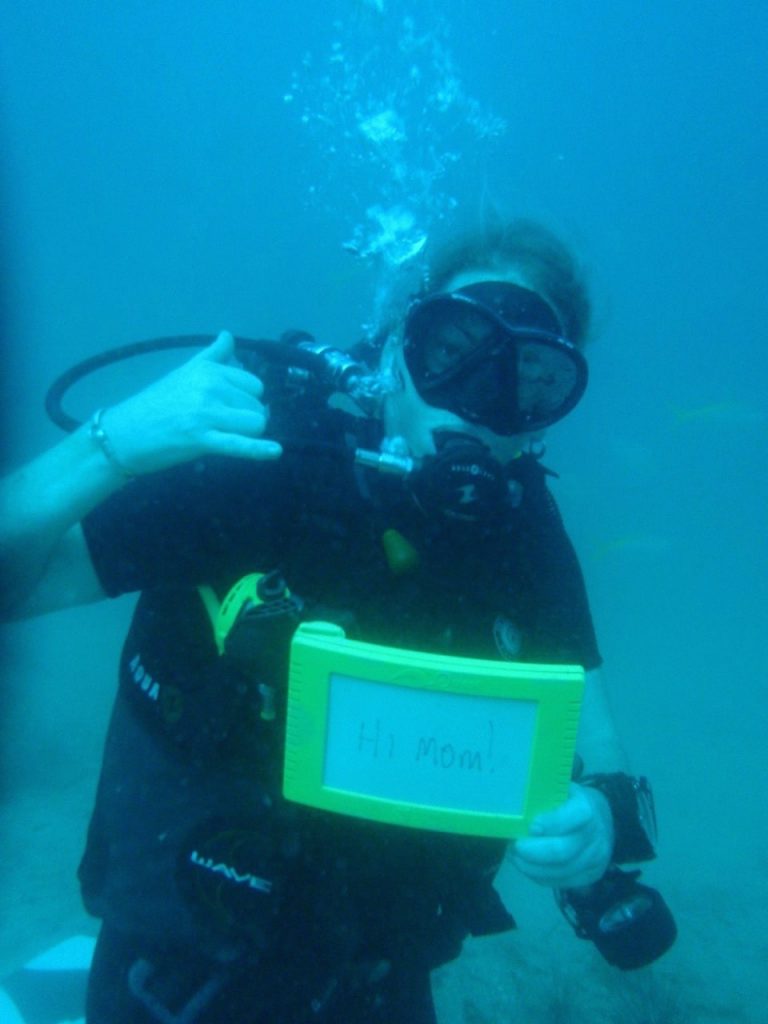
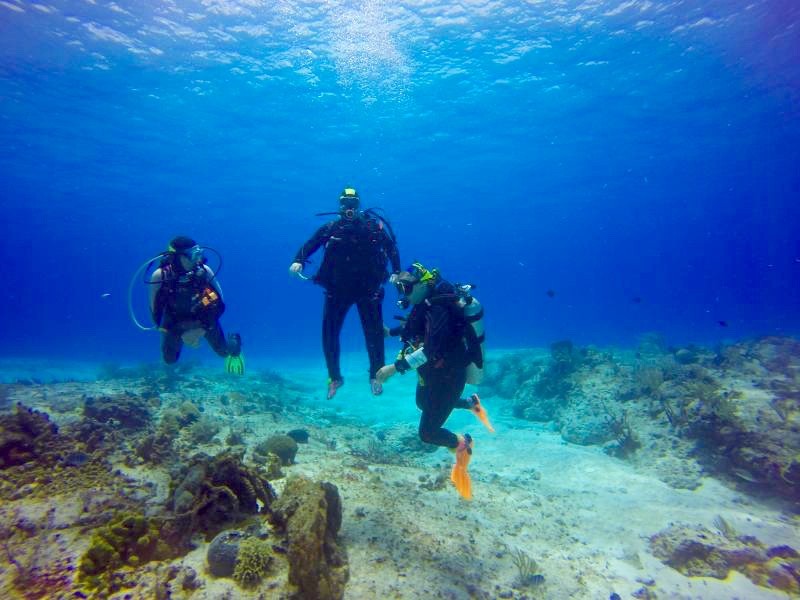
While not all of my physical hobbies are still within reach today, I try to maintain a connection on a physical and spiritual level with the things that are attainable.
You were extremely active before your injury. How do you stay active today?
I go to the Craig Hospital PEAK Center every week and use the Lokomat and standing frame for extended lengths of time. I stretch with a physical therapist and use an FES bike to stimulate circulation and mobility; my CNAs do range-of-motion exercises with me every single morning and night. I receive acupuncture twice weekly and massage once weekly to stimulate my spinal cord and encourage return of mobility and sensation. The road is long but I try to stay focused.
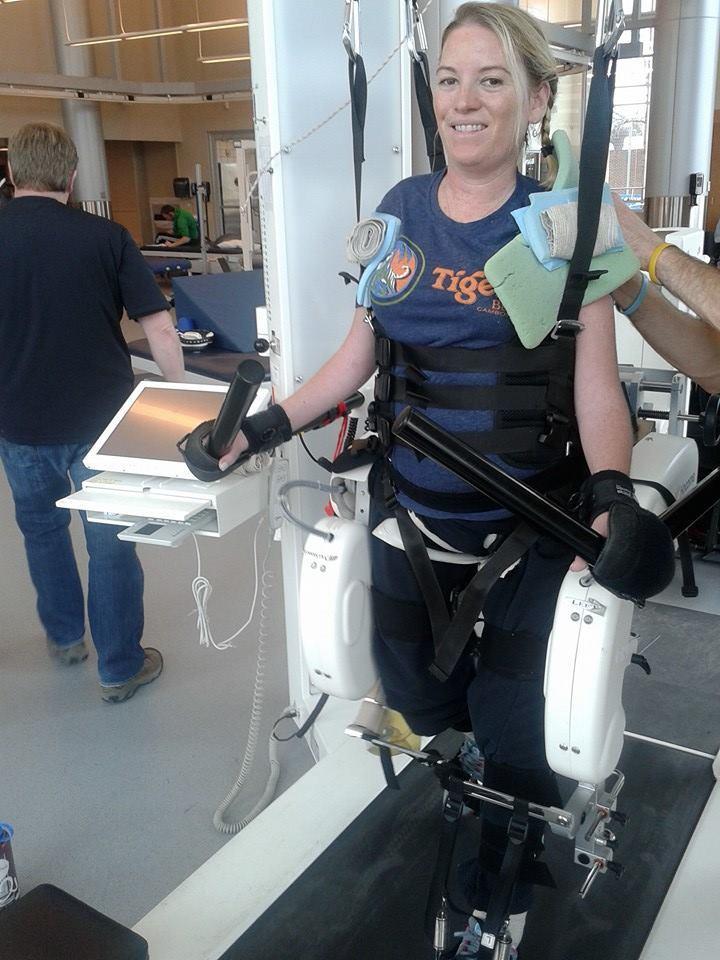
I understand the extreme importance of staying active because of my background in physical therapy; it’s crucial to prevent healthcare issues that plague those living with quadriplegia, such as blood clots and pressure sores. Recently, I have been getting some return in my right arm, enough so that I can transition from sip and puff wheelchair technology to hand driving. This has been a huge accomplishment directly correlated to continual rehab efforts, even three years out from injury.
Do you think most people with spinal cord injuries have adequate access to health care and adaptive mobility necessities?
Absolutely not, and it’s a big problem. Health care access often depends first and foremost on proximity to a medical or rehab center that understands and is equipped to support individuals with a spinal cord injury. The unfortunate reality is there is a lack of such medical facilities–for example, San Francisco, a major metropolitan city, does not have a spinal cord injury center in the entire city. I am very lucky to live near Craig Hospital, which is a top-of-the-line SCI resource center.
Each spinal cord injury is a snowflake – different from the next – so it requires a tremendous amount of education and advocacy during medical visits to ensure medical professionals can support basic health care needs.
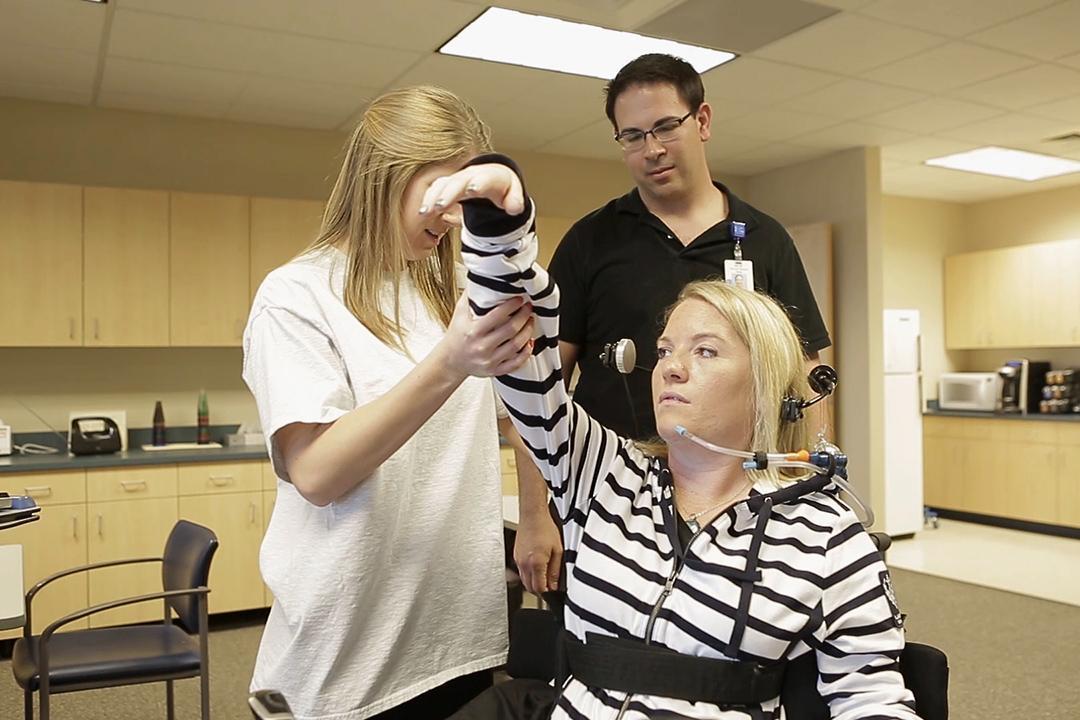
Adaptive mobility can be a real issue as well. I experience these problems frequently when I travel, as basic transportation like taxis, rental cars, Uber, and Lyft are not readily equipped for individuals in power wheelchairs. Case in point: I was stranded in my hotel in downtown San Francisco on a recent trip because I could not locate a single accessible car. I missed dinner and plans that I had scheduled in the city because of this void of mobility access.
Is mobility support for people with injuries improving? Any examples?
I feel like there are no limits to what someone with quadriplegia can do today, especially with exciting improvements in technology. Craig Hospital’s technology department has helped me create an independent household – I’m able to electronically enter/exit my apartment without assistance, control my TVs/remote controls using sip and puff technology on my wheelchair, and use my computer with a specialized mouth-driven stick. Amazon’s Alexa speaker tower helps me control my lights, thermostat, phone calls, and text messages–crucial if I ever needed to contact 9-1-1 independently.
Can mobility costs become a financial burden after a spinal cord injury?
According to the Christopher & Dana Reeve Foundation, the first-year cost of injury-related expenses can top $1 million. That includes lifelong expenses like durable medical equipment, wheelchairs, room lifts, specialized beds, prescription medications, caregiving costs, plus the astounding cost of physical therapy that many insurance companies will not reimburse. For example, I pay $79/hour out-of-pocket at Craig’s PEAK Center twice weekly, $60/hour for acupuncture once weekly, and $100/hour for specialized physical therapy for my shoulder if I have anything left over. Many of these therapies are crucial to improved rehabilitation and basic overall health.
Traveling requires purchasing a specialized travel lift and budgeting for higher-end accessible apartments away from home or special hotel rooms. For someone with a spinal cord injury who can’t work, you have to ask: where is all this money supposed to come from?
I have three Help Hope Live fundraisers completed, but fundraisers truly only scratch the surface when you look at a long life of such requirements. Recurring donations to Help Hope Live are a really helpful source of support between events.
What are some of the biggest misconceptions about life after injury?
There is a persistent misconception that all people living with an injury or wheelchair have cognitive impairment. Friends seem shocked that I am still just who I was before my injury – same voice, same fervor for life. They say, “You still sound like yourself,” with surprise. And I just say, “Obviously!”
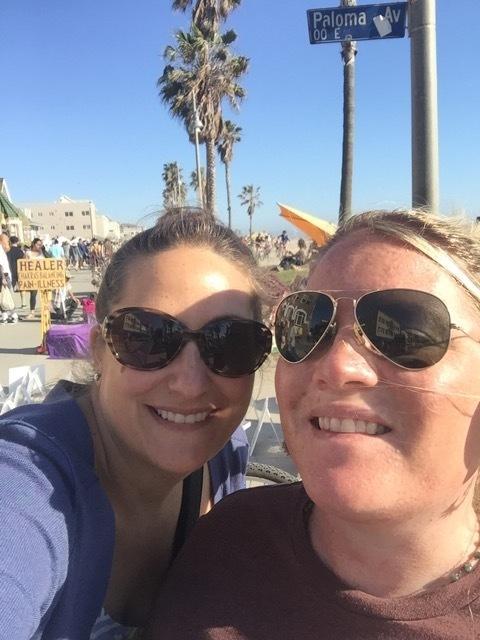
Another big misconception is that you stop being able to actively participate in life after a spinal cord injury. My mantra has always been that anything is possible, and clearly, I’m actively participating in life to the nth degree after my injury. My friends say to me now, “You’re doing more after your spinal cord injury than I have ever done!”
What are you looking forward to in the immediate future?
I get excited about the light of the future, including adaptive technology and research advances to help find a cure for spinal cord injury. I look forward to improving advocacy efforts nationally as well as here in Colorado, to help augment the realization that the disability community is highly capable of working and being an important asset to each of their communities. I look forward to becoming an ambassador for the Christopher & Dana Reeve Foundation on a national level and the Chanda Plan Foundation on a grassroots level.
I am often told that I am an inspiration to others in the spinal cord injury community. Although it is meant as a compliment, it is not my intention to be an inspiration. I am just living my life, the same way it was before my injury, not allowing my paralysis to define me.

Elizabeth EB Forst fundraises for the Midwest/West Spinal Cord Injury Fund. Click or tap to follow her Blog.