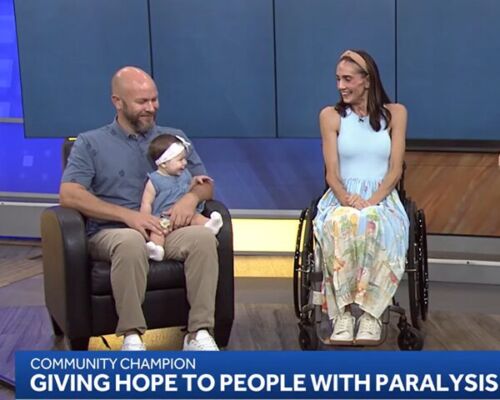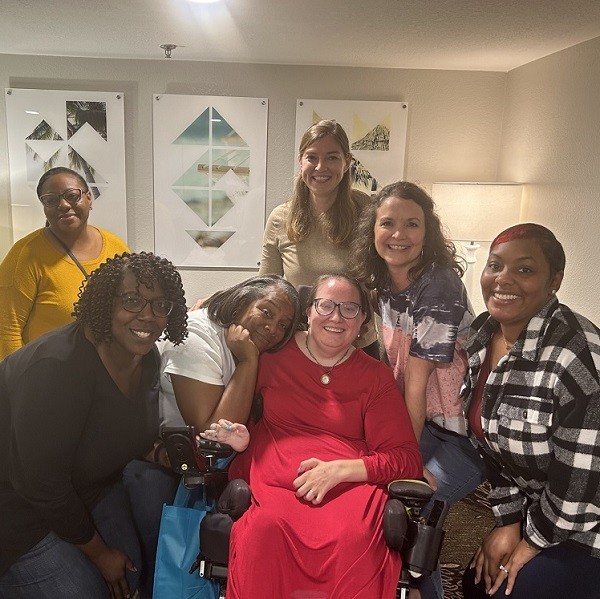
Jennifer Jenkins was born with a rare spinal arteriovenous malformation (AVM) and has been impacted by paralysis since age 6.
We asked her for her reflections on independence, work, hope, and her two furriest friendships as we recognize Spinal Cord Injury Awareness Month.
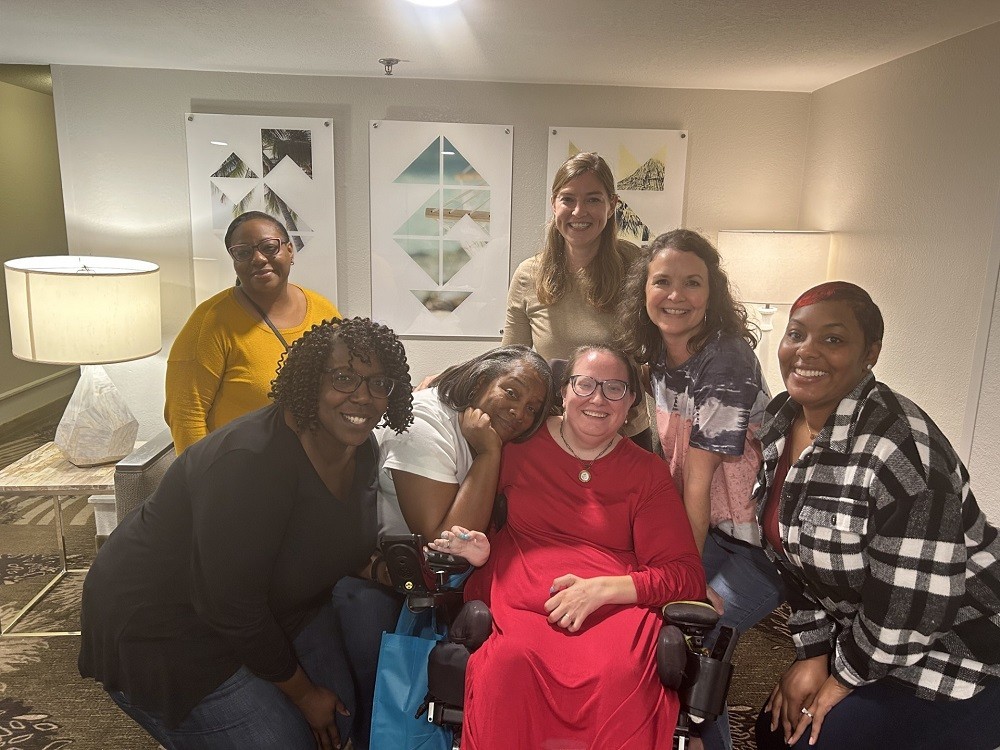
Tell us about how paralysis impacted your childhood.
When I was first paralyzed at age 6, I did 6 months of intensive physical and occupational therapy, and I continued physical therapy for another year, which allowed me to regain most functions.
One thing that my parents did that was greatly beneficial but way “out there” was putting me on a horse about three weeks after I got out of the hospital.
I was unable to sit up on my own, so my parents and other adults were holding me on the horse and leading the horse in slow walks.
The muscles you use to ride a horse are the same ones you use to walk, so it was an incredible way to replicate the act of walking—one that is hard to replicate even in a physical therapy clinic.
My therapists believe that horse therapy was one of the reasons I was able to recover the ability to walk as a child.
Today, I know of at least one nonprofit in Alabama that uses equestrian therapy to help children living with neurological disorders.
I was very lucky for the majority of my childhood. I knew I was different, but I wasn’t really treated differently—until middle school.
My elementary school was able to integrate my therapy in with the rest of the class:
I used an ice cream bucket filled with rice to dig up and pick out objects as part of my therapy. When I returned to school in first grade, everyone in my class had the same bucket. We all spent time in class digging through the rice.
In middle school, there were people who didn’t know me as a younger girl, and their reactions made me start to feel different.
My parents raised me with the attitude that while I may have to do things differently, I was still going to do them.
I applied that attitude to doing the things that interested me alongside my peers, and my determination gained their respect.
My family then moved to a small town, and I really felt different: I was the new kid AND I had a disability. It was hard to fit in, but I used my determination to continue to do what I wanted to do.
I did my best to prove that I wasn’t really as different from my peers as they may have thought I was.
I let go of anyone who didn’t accept me—which is their right. My friends accepted me for who I was, and that is what mattered the most to me.
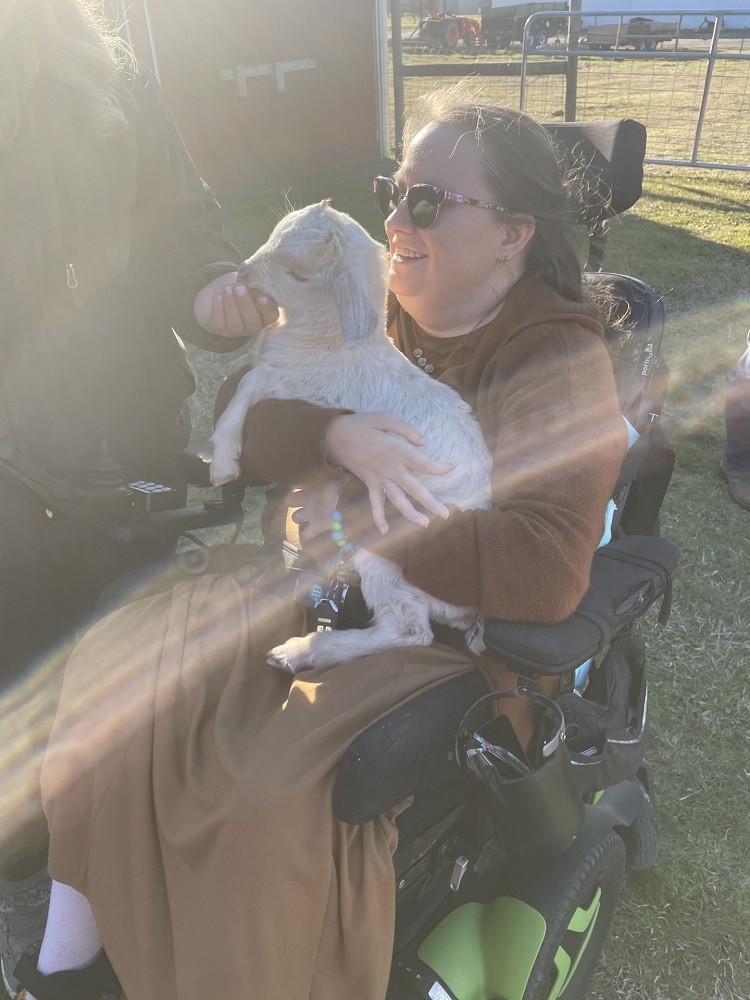
How did you decide which field to pursue for your education?
From about the age 7, I knew I wanted to be a pediatric physical therapist, because the therapists I worked with had such a huge impact on my life.
I wanted to do the same for other kids.
When I entered college, I majored in biology to start that process. . Shortly after starting my college career, I experienced a stroke and became paralyzed from the chest down
Being a physical therapist requires being able to stand and lift quite a bit of weight to assist someone else with relearning how to do different activities and regain the use of different types of muscle groups.
With time, I realized paralysis was going to stand in the way of me becoming a physical therapist.
I started taking psychology classes, and I had a health psychology class that I absolutely loved. My psychology advisor noticed I had a passion for helping people like me with disabilities, and she encouraged me to look into a master’s in rehabilitation counseling.
I applied to graduate school for both medical psychology and rehabilitation counseling, and I was admitted to the rehabilitation counseling program.
Doing my schoolwork showed me the kind of impact I could have on other people like me.
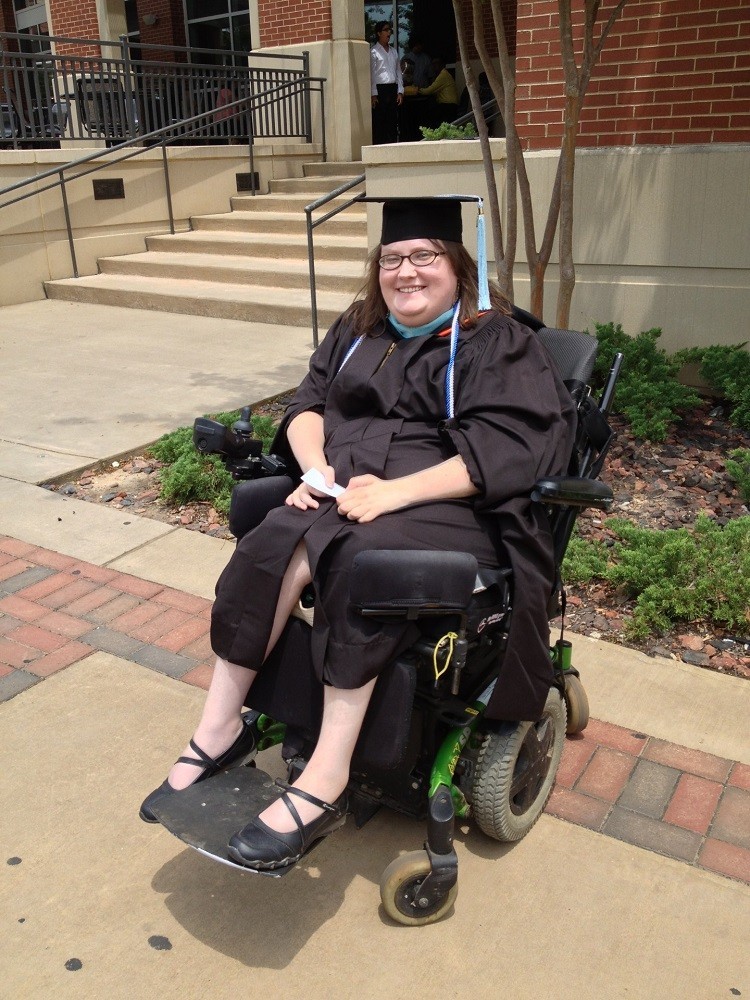
Tell us about your career helping others with similar disabilities.
Getting my job is one of the accomplishments I’m most proud of.
I work with the State of Alabama Independent Living (SAIL) Medicaid Waiver, which specializes in assisting people with neurological disorders to stay in their homes instead of living in a nursing home.
I credit God with getting me in this position. I interviewed four times with different units, and none of those interviews turned into a job. The fifth position that became available was the SAIL position. Having used the program myself for a short period and having a disability gave me an edge over the other candidates.
My supervisor told me she’s glad I didn’t get any of those other four jobs—I have taught her so much about this type of disability.
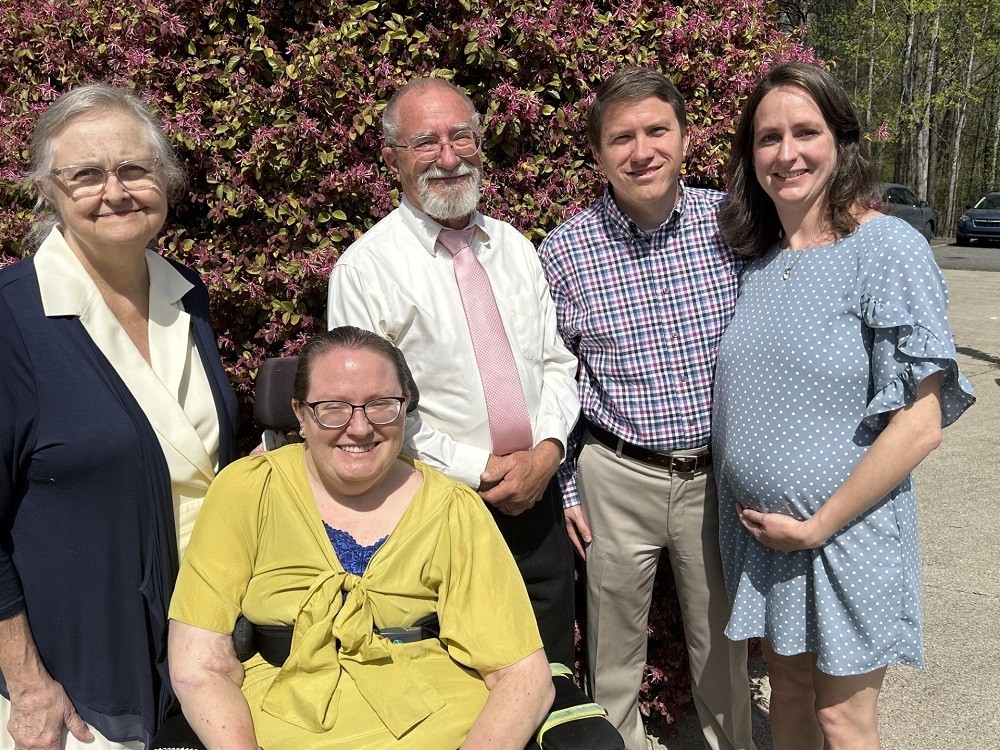
One of the best things about me as an employee is that I have the same kind of diagnosis, so I have been able to educate my coworkers that no two people with disabilities do things the same way. Even if some of our clients get the same services, they may use them differently.
I’ve also taught my coworkers that we should never judge someone for how they live—for example, how they transfer into their wheelchair or bed. What may look unsafe or dangerous to us at a glance might be the best way for them to approach a certain task or obstacle. If they aren’t injuring themselves, we should acknowledge and respect that approach for them.
We can turn conversations around to be more like a brainstorm and less like a judgement or giving advice. It’s about empowering clients to feel like they are leading the discussion.
My input helps us all to think outside the box and assist our clients in being as independent as they can.
I have the privilege of being able to empathize with what our clients are going through—and they know that they aren’t alone.
One of my goals for the future is to get certified in life care planning. I’d be able to contract with local lawyers to help people who are seriously injured to get the funds they need to cover their expenses. That path would allow me to work from home, which would be better on my body as I get older.
Outside of work, you love to walk your dogs. Tell us about their personalities!
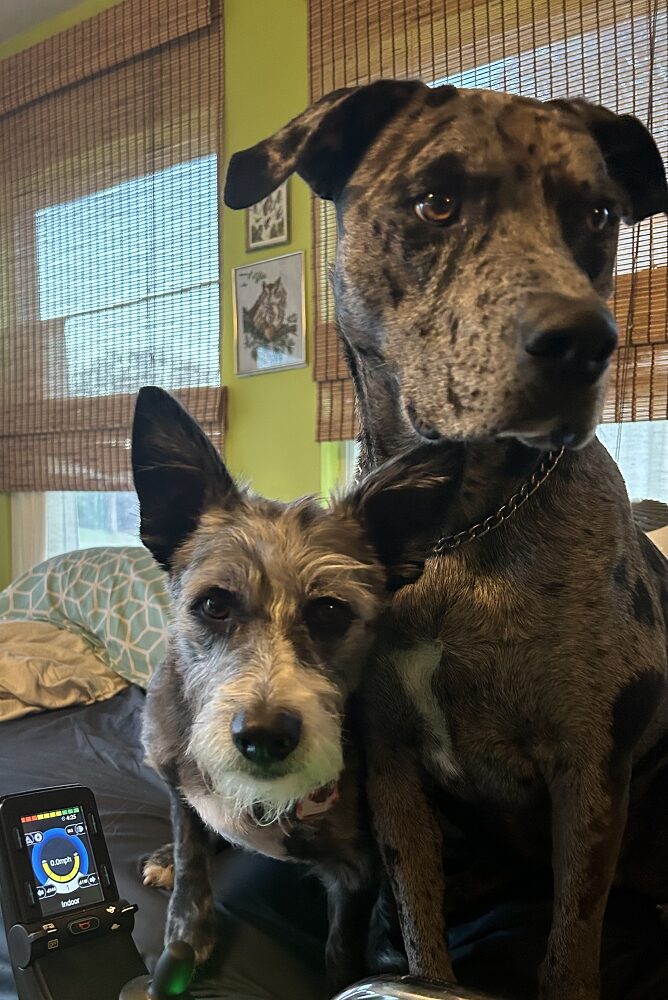
My two dogs have completely different personalities.
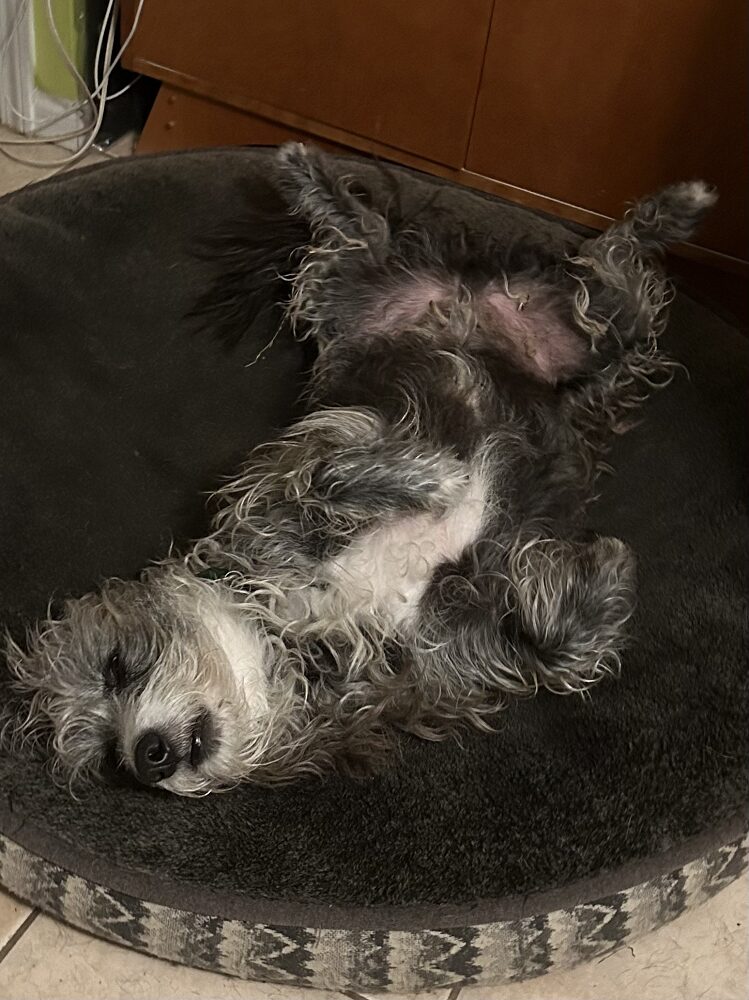
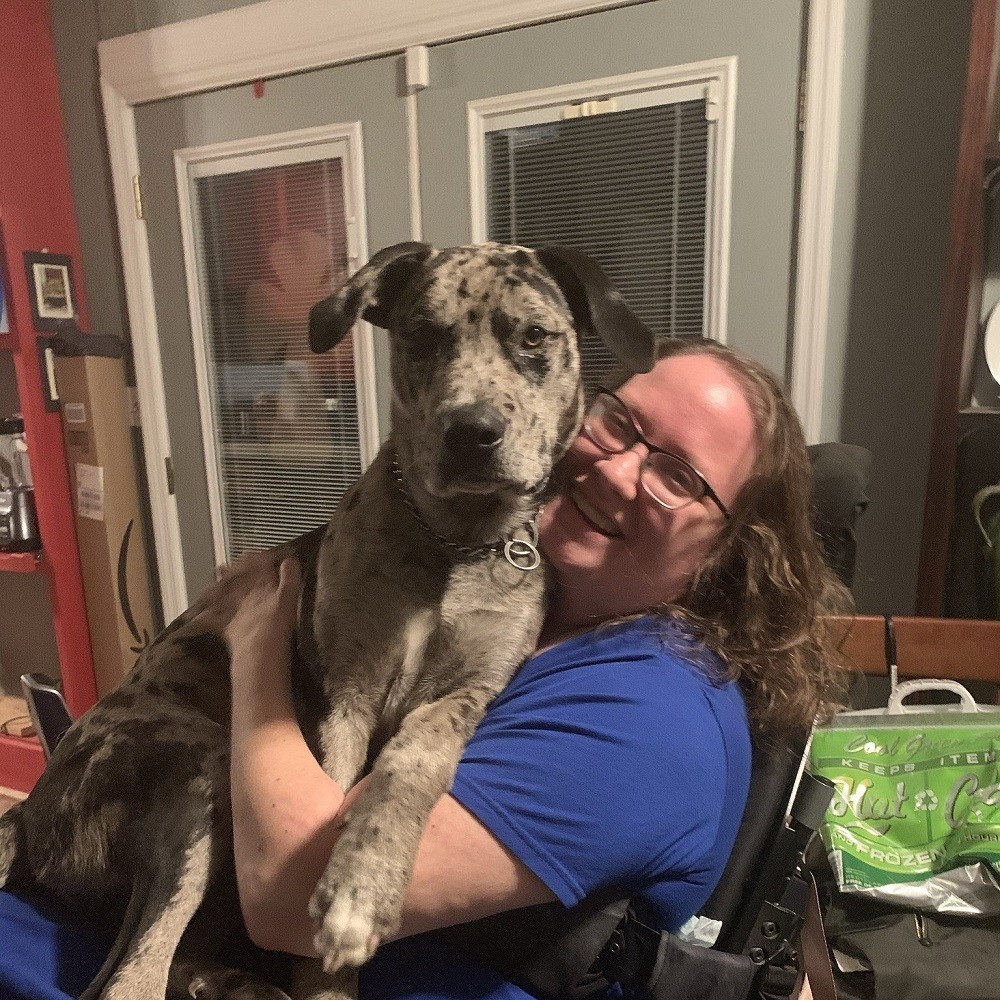
Buzzbee is the life of the party and the most people-friendly dog I’ve ever met. He loves squeaky toys, and he thinks every package delivered to my house should include a dog toy and he inspects them all carefully.
He loves everybody and loves when they talk to him. He wants to walk the whole town every Saturday, and he will engage everyone we come across.
Some of the small businesses in town refer to Buzzbee as the Little Mayor.
Monk, on the other hand, is a giant scaredy-cat. He is suspicious of everything. He initially had a love/hate relationship with walking into town, but today, he loves being in town, especially visiting one particular local store owner.
Monk has a sense for people who are sick, and he wants to help them. When my mom is feeling sick, he lets her use his head to help guide her to a chair or her bed, walking slowly beside her. The only reason he wouldn’t make a good therapy dog is he’s scared by loud or sudden noises.
My favorite thing about my community is that it’s small enough to walk the whole downtown within an hour (depending on how much your dogs like to stop and smell).
Everyone is friendly and always willing to lend a helping hand.
How does your diagnosis impact your life today?
It does impact me a great deal, but I try not to let it stop me.
I rely on a power wheelchair to get out of bed and go anywhere I want to go by myself, and I use a transfer board to get into my wheelchair. I use diapers and pads to travel to places where I can’t easily access a toilet. A wheelchair accessible van is essential to drive to where I want or need to go.
I have to think about things that most people never have to consider.
Is a venue going to be accessible? Is there appropriate parking where I can get out of and back into my van? Is there a bathroom I can use?
When I travel, I’ve got to think about whether each hotel room will really be as accessible as they say it will be. If I fly, there is the anxiety of thinking about whether my wheelchair might get destroyed or if it will be forgotten when it’s the last thing they load.
I also have to evaluate my own body before I go out and do something.
Sometimes a hard week of work will wear me out, and I won’t be able to do certain things because I am just too tired.
At times, my independence is in the hands of complete strangers—strangers who may park in the stripes beside my van, preventing me from leaving because I can’t extend my van ramp.
Why did you start fundraising with Help Hope Live?
I decided to start fundraising because I knew a functional electrical stimulation (FES) bike might be an option to reduce my spasms—it had helped in the past when I used one at a medical facility.
I realized that because of everything else I have to cover out of pocket with my disability, I was never going to be able to pay for it on my own.
I chose Help Hope Live over other options for fundraising because I had friends who had used the nonprofit for fundraising themselves. The admin fee was lower than other options, so it felt like my friends and family members would be making a bigger impact with their donation.
It might surprise people living without disabilities to realize how much isn’t covered by insurance.
Anything that is not deemed “medically necessary” is not covered—and they deem a lot of things as not medically necessary, even things like shower chairs and stair lifts that become such a critical part of daily life with a disability.
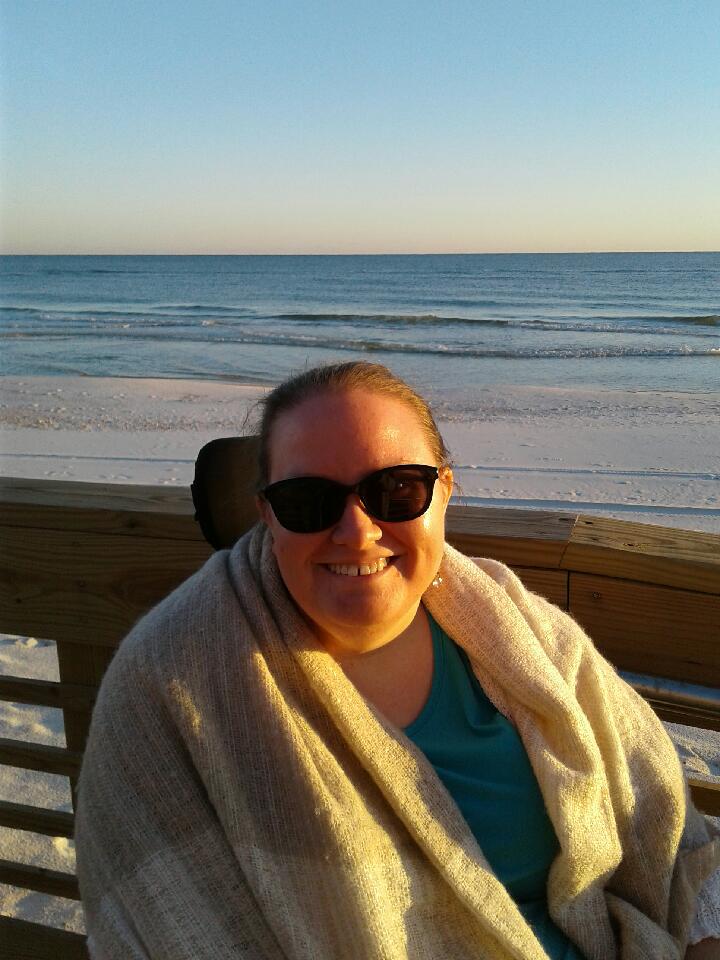
Why do you celebrate Spinal Cord Injury Awareness Month?
A spinal cord injury can happen to anyone at any time.
No one is exempt from the possibility of living with an SCI. Disability doesn’t discriminate—anyone can become a part of this minority.
People with paralysis or any disability are really just like everybody else. We want to be out in the community, working, playing, loving, and enjoying the same dreams and goals that people without disabilities have.
We should all be able to do whatever we want to do to be productive members of society.
Raising awareness helps to make living with an SCI or any disability more normalized. If they are open to it, participating in awareness can help unify people so they feel less alone.
What advice do you have for other individuals living with the impact of SCI?
My main word of wisdom for anyone living with SCI is to understand the importance of perseverance. I know firsthand that it’s a traumatic, 180-degree shift from being independent and in control to having to completely depend on others for help.
It can be overwhelming, hard, and stressful, and it can sometimes feel hopeless.
Having the attitude of “I’m never going to give up” is so important. It gives you the ability to continue to pursue the things that have always interested you.
Be creative and think outside of the traditional ways things are done—that’s your path to getting back to a certain hobby or daily activity.
Reach out to others to see what ideas they may have. Don’t be afraid to ask multiple people. I found a yarn shop owner who knits left-handed, and I learned to knit from her within my capabilities after my mom had no success trying to teach me.
Another piece of wisdom: be kind, always.
Because we are dependent on others, even if you don’t agree with someone, or if you need to end a personal or professional relationship, don’t burn bridges. You never know what will happen or what you might need in the future.
What does hope mean to you?
Hope means to me that one day I will be able to go about my day without worrying about my disability.
I have a glimpse of that hope even now: my friends have gotten to the point where they can forget I have a disability. My support system has given me the chance to be as independent as possible in a way that matches my nature, and assistive technology has improved so much that it’s increased my ability to be independent.
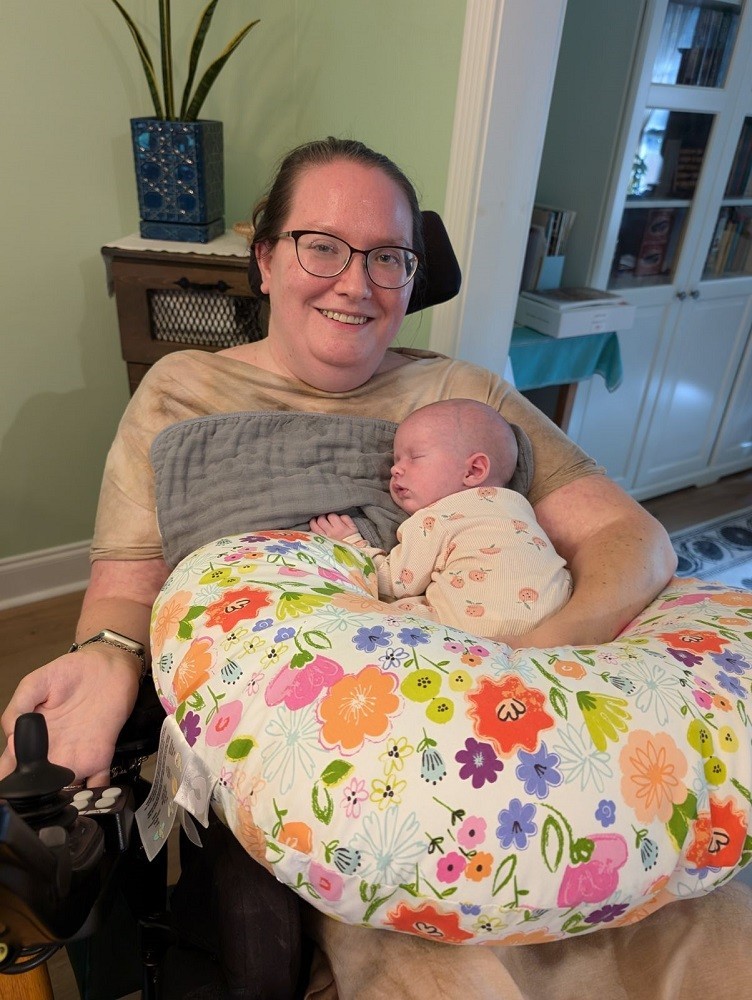
Keep up with Jennifer’s fundraising efforts at helphopelive.org and follow @jengracejenkins on Instagram.