March is drawing to a close, and while the whole world’s attention has been fixed on COVID-19 developments, one important awareness moment may be overlooked: Brain Injury Awareness Month. We asked one of our clients to speak to brain injury misconceptions, challenges, and triumphs.
What I Wish Everyone Knew About Brain Injuries
My name is Karen Konopka. Prior to sustaining my own traumatic brain injury in college, I had never met someone with a TBI (at least, that I knew of). In recognition of Brain Injury Awareness Month (March), I’d like to share five things I’ve learned through my experience that I wish everyone knew about TBI.
No, You Can’t Always Tell Who Has a Brain Injury by Sight
TBI falls within the category of an invisible injury—in other words, there is no way to know for sure whether the individual standing or sitting in front of you has one. Each TBI is slightly unique. If you get to know someone living with a TBI, like me, you learn more about his or her unique symptoms and what to look for and see (not just with your eyes).
My own symptoms may not be immediately visible to others—I might struggle to find the right word to use in a conversation or have difficulty remembering the simplest things. While these symptoms of my TBI significantly impact my life and can lead me to feel like I am struggling to function, they may not be detectable to the people around me.
A Brain Injury Can Reroute Your Life
After the car accident that left me with a TBI, I returned to school to finish the last semester of my senior year. I had trouble focusing and staying awake to do my homework, and every task seemed to take forever—or I’d successfully completed a presentation on a particular topic, and then not remember the information I had presented. One time in particular, I couldn’t even understand my presentation index cards. I missed my final spring break rewriting my report on the presentation topic I couldn’t remember. Everything required extra effort.
After I graduated, one of my teachers helped me to find a job. Unfortunately, the job involved looking at a computer screen, and I quickly learned that changing colors on the screen caused me to have short blackouts. My employer was willing to accommodate me, but as time passed, going to frequent medical appointments to manage my TBI made it impossible to maintain a full-time job.
I had to move back to live near my parents. While I did secure another job, after just three-and-a-half years, stress and memory issues took their toll, and I was unable to continue working.
My Day Still Looks A Lot Like Yours
A lot of people believe that no one with a TBI can live independently or care for themselves. Every TBI is different. While some people do need constant supervision and assistance, many others, like me, live independently.
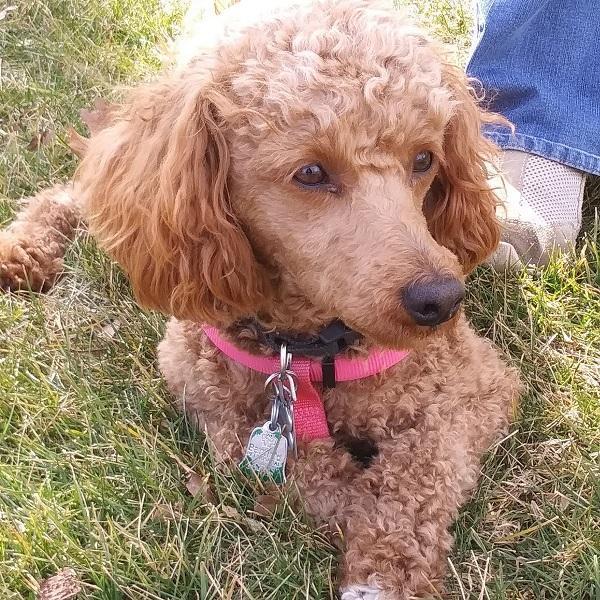
My day probably looks a lot like yours: I get up, eat breakfast, get dressed, walk my dog, Ruby, and prepare for the errands or appointments I need to get to. Back at home, I do chores, paperwork, or laundry. I have dinner, hang out with my neighbors or other friends, play with Ruby, and go to bed.
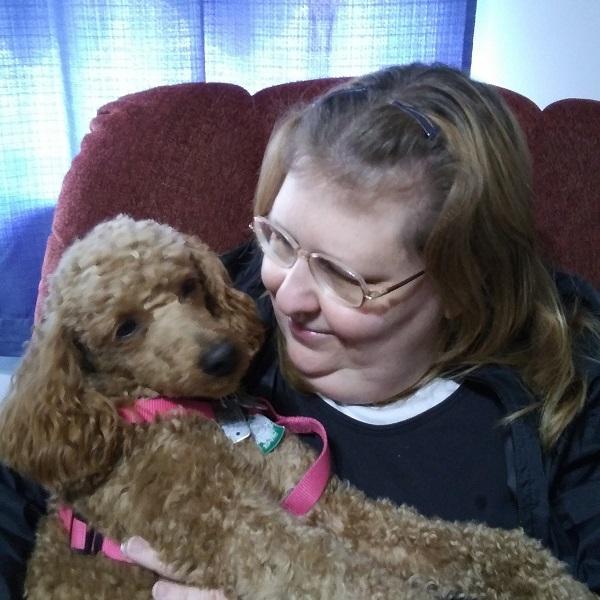
One difference: three mornings per week, a neurorehabilitation specialist comes to my home to help me with tasks such as organizing paperwork and developing strategies to help me compensate for the effects of my TBI. I do things to help my memory—things which other people might find unusual. For example: I wear my keys on a belt around my waist, because otherwise I would struggle to remember where I put them even 5 minutes ago.
Dogs Can Help with Brain Injury Needs
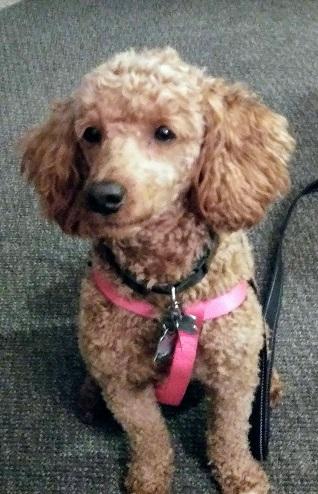
Service dogs can help people living with brain injuries in multiple ways, including:
- Reminding you to take certain medications
- Retrieving key items
- Guiding you in public areas if you are losing your sight
- Helping you to establish a daily routine to reduce confusion
- Alerting others to an emergency, such as someone fainting
- Reducing loneliness, anxiety, and disassociation
- Guiding you away from dangerous situations
- Intervening when subtle body cues indicate you are becoming upset or agitated
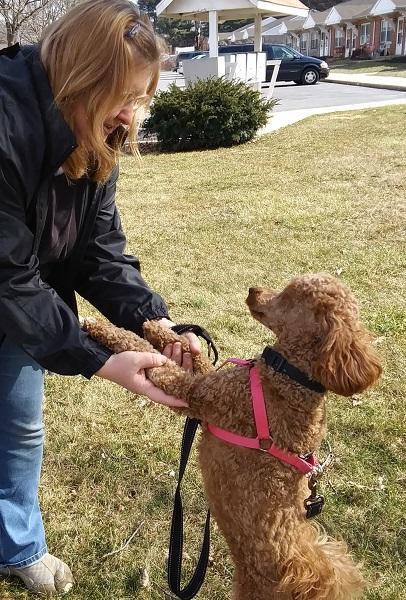
In addition to living with a TBI, I have PTSD and hypoglycemia. My service dog helps with those conditions too. I got Ruby as a puppy on July 11, 2018. Since I brought Ruby home, in addition to starting the process of getting her trained as a TBI/PTSD support dog, I have been teaching her how to detect my blood sugar levels through scent so that she can alert me when my blood sugar may be dangerously low.
Fundraising Is Essential to My Future
Ruby may save my life more than once in the future. Even so, I learned early on that insurance would not cover the cost of training Ruby to help me with blood sugar detection, mobility, utility, and alerting me to potentially dangerous medical symptoms.
In June 2019, my neurorehabilitation specialist went with me to the annual Brain Injury Association of Pennsylvania Conference, and that’s where I learned about Help Hope Live and how they help people like me to fundraise without jeopardizing their state benefits and assistance. I now have a campaign to help with my TBI needs, most pressing: getting Ruby trained as a service dog.
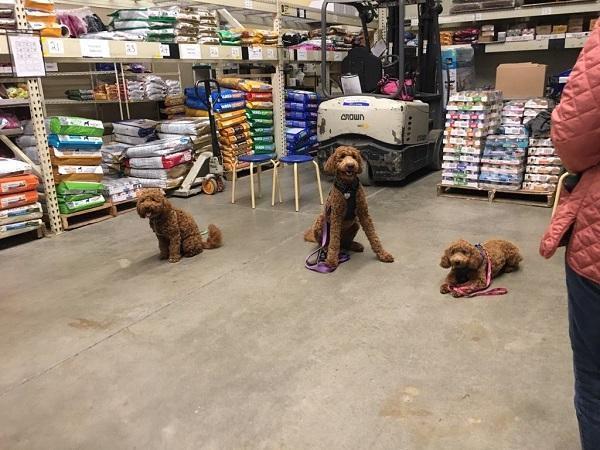
Ongoing support from a professional trainer will help to ensure that Ruby not only helps me out around the home but also alerts me in public if a medical issue catches her attention. That’s what represents hope to me: improving my quality of life and obtaining the freedom to be active in my community because I know that Ruby will be there to keep me safe.
You Can Help Protect Yourself and Your Loved Ones
I hope my personal story has helped people to learn more about the non-visible symptoms of TBI, so that they can seek help if they or someone they love experiences one. The Brain Injury Association of America (BIAA) is a resource that has helped me.
In addition to getting info about brain injury diagnosis and treatment, you can access webinars, brochures, books, and brain injury awareness clothing to show that you support the TBI community. You can also connect with a local BIA branch in your state to find additional support.
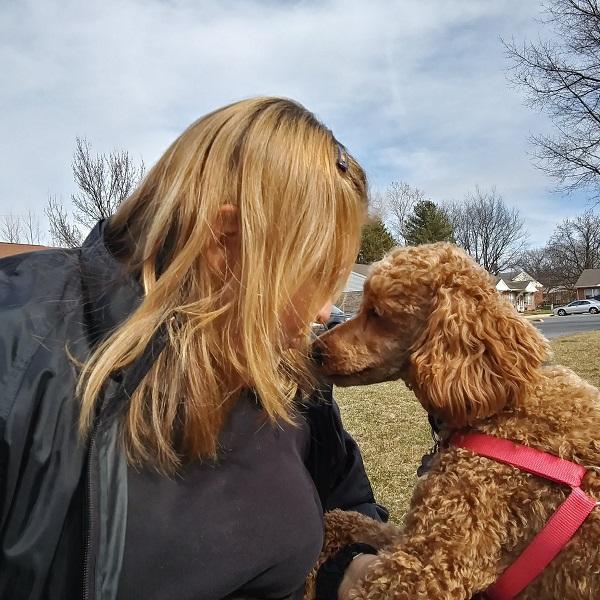
Karen fundraises for the cost of training her service dog, Ruby, at helphopelive.org.