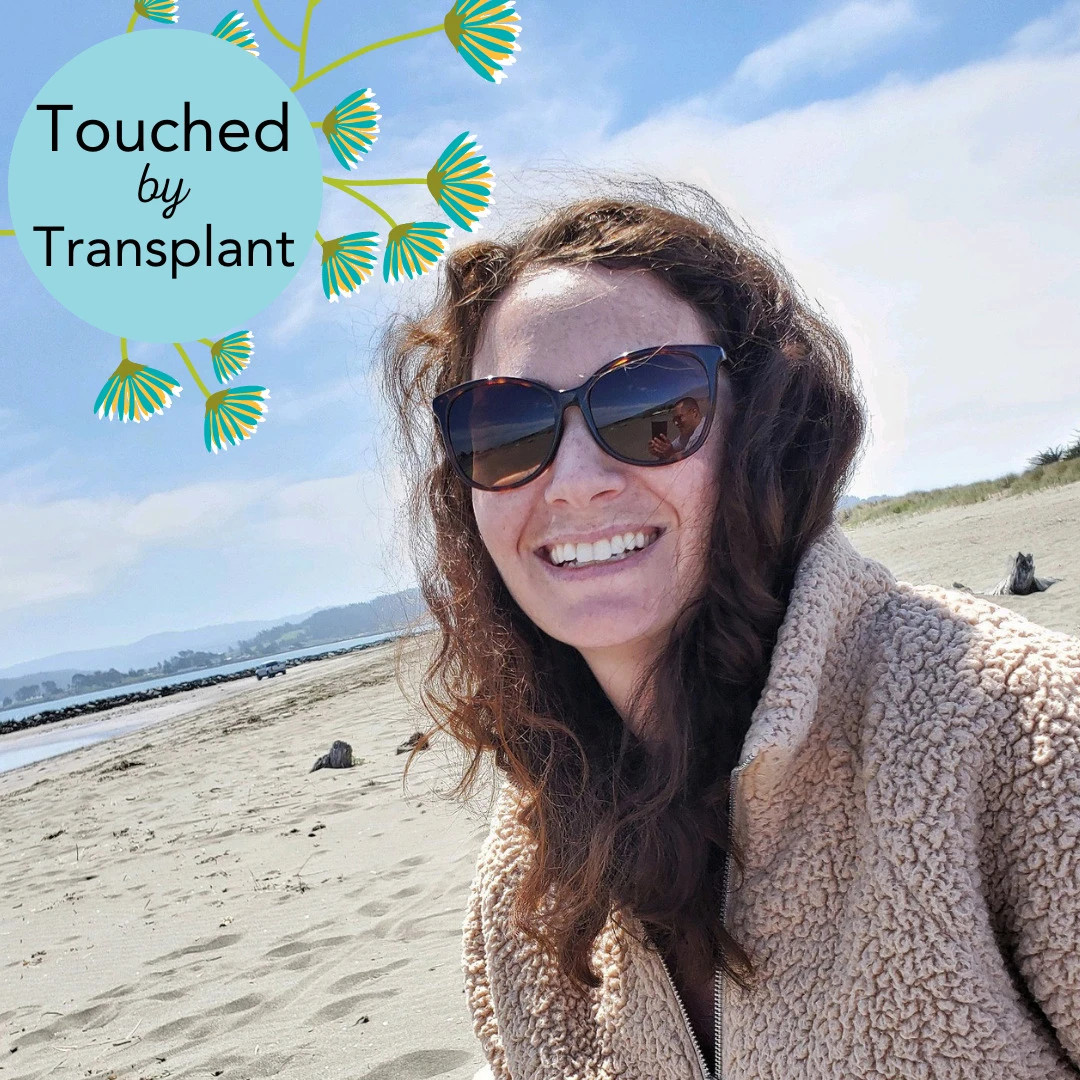
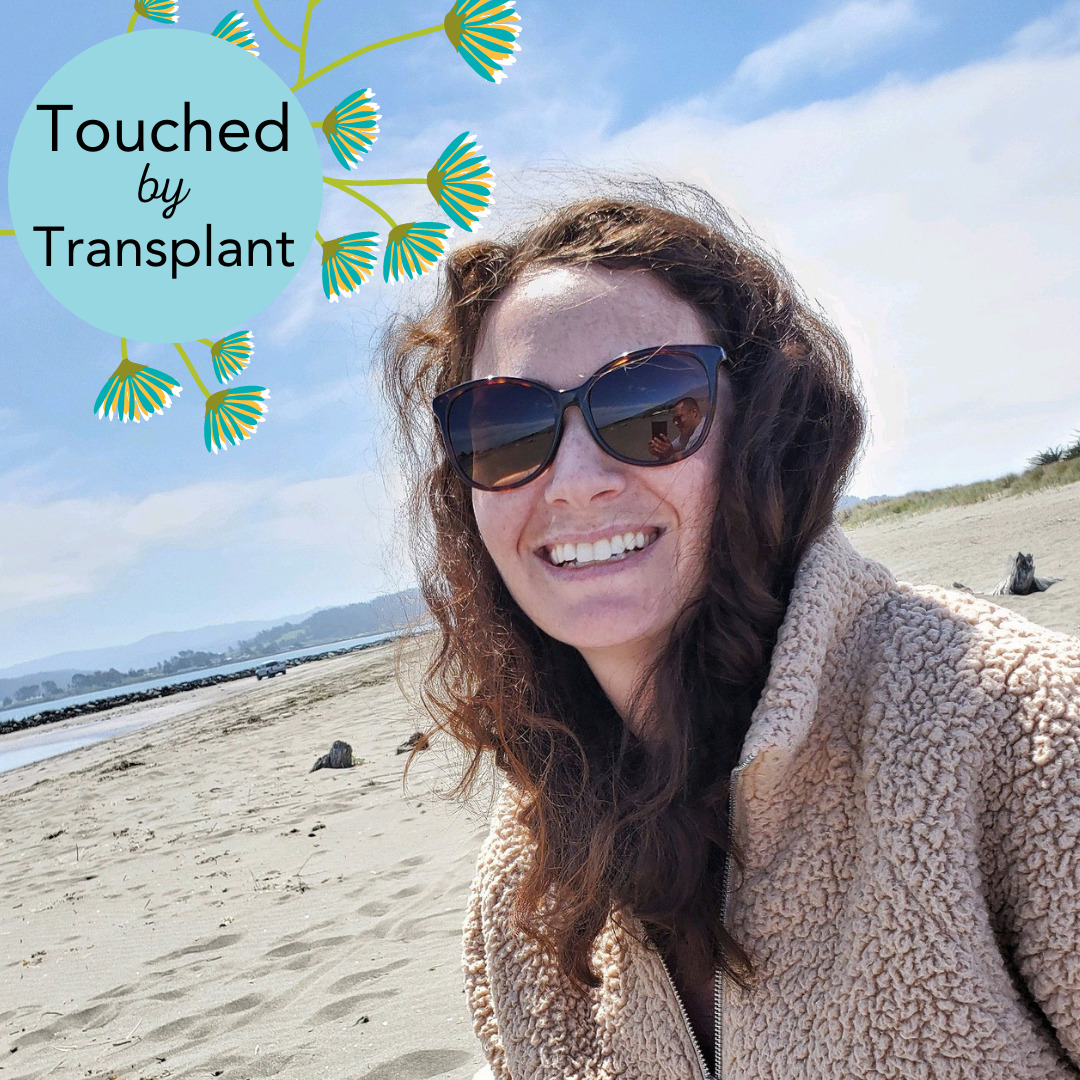
Three years ago, 37-year-old Pamela Andersen was diagnosed with life-threatening lung disease and started her road to transplant. This is her story.
Prior to my earliest symptoms, I was completely healthy.
I had never had any health issues aside from some seasonal allergies. The first clue that something was wrong with me happened at a family Christmas party in 2015.
As soon as I walked into the house, I noticed there were scented plug-ins in nearly every outlet. I’ve always been sensitive to strong smells, so I moved to the back porch to get away—but fairly quickly, I felt like I couldn’t breathe. I started coughing badly.
It was the first of thousands of coughing fits I would experience after that day.
Coughing and shortness of breath, especially with stairs or strenuous activity, were my earliest signs of a problem. I saw local doctors, a pulmonologist, and two asthma and allergy specialists before I was finally diagnosed in January 2020. I was prescribed oxygen and told that my CT scan showed a rapidly progressive form of pulmonary fibrosis. I learned that I would need a lung transplant in the future.
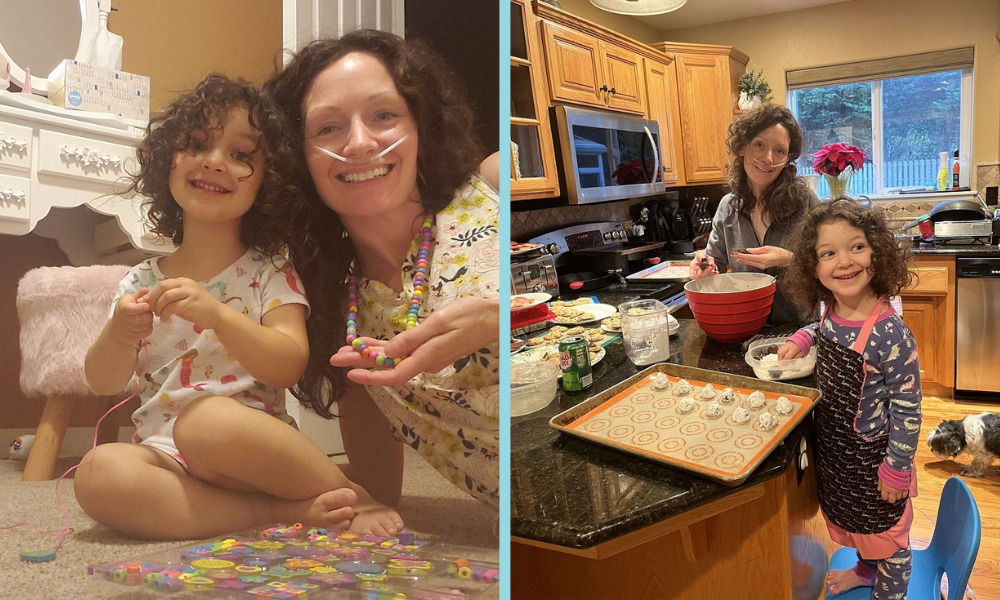
When my symptoms started, I was working as a Registered Nurse on a very busy medical-surgical floor. During nearly every shift, I encountered patients with acute lung conditions. After hearing just how serious my own prognosis was, me and my husband were in a daze for weeks.
I did not tell anyone about the diagnosis initially. I thought my life was over.
I continued to see my doctor frequently. Thankfully, during these appointments, I became more informed and more comfortable about the possibility of a lung transplant. In 2021, I began meeting with a transplant team.
One thing I learned during that time is that it is so important to advocate for yourself if you think something is wrong. YOU know your body best. I went years going along with local doctors and not being assertive enough to make sure my symptoms were being taken seriously.
Had I stood up taller and spoken up louder, I could have been treated sooner, and maybe things would have been different.
Progressively, as my health declined, I became unable to do many things I had done before.
The coughing was the worst. I would sit down for a meal and the smells would cause me to cough for up to an hour or even throw up. I could no longer take care of my home, clean, cook, or even drive. Some nights, I could barely get up the stairs, and my husband would have to carry me.
I didn’t have a mom growing up, and I always wanted to be a very present mom for my three daughters. I watched my oldest daughter go prom dress shopping without me because I couldn’t physically leave the house—something I was looking forward to.
Eventually, even getting a bowl from the cupboard was too difficult.
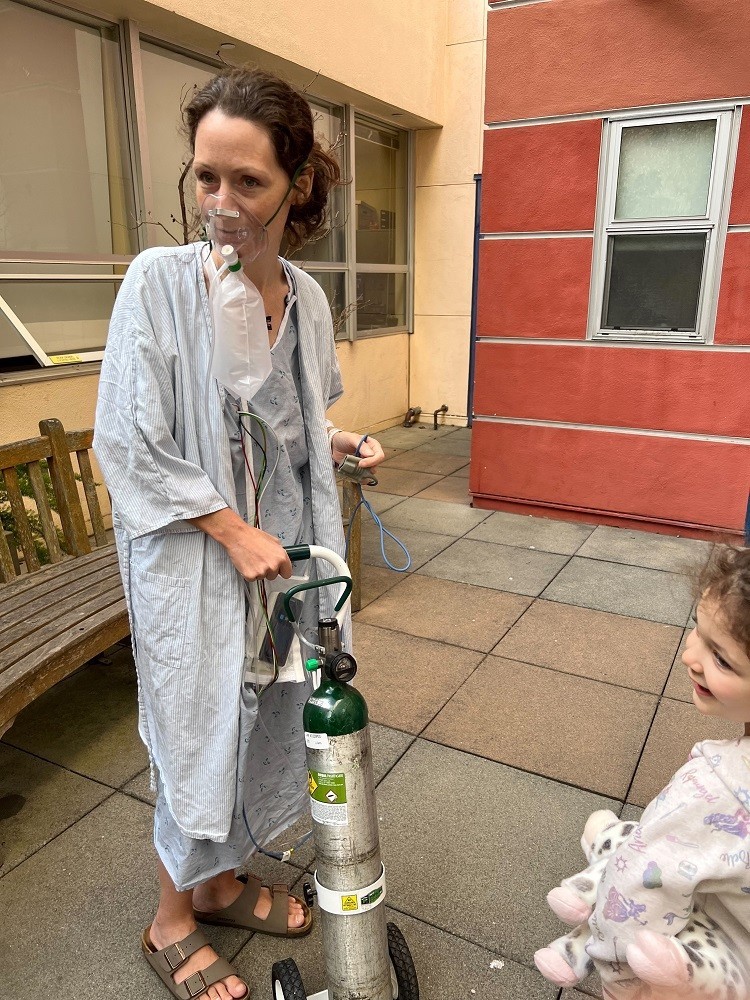
I was still in quite a bit of denial. When doctors told me it was time to join the transplant waiting list, I declined.
It wasn’t until I ended up with pneumonia in January 2022 and could barely breathe that I finally, and happily, agreed to be listed.
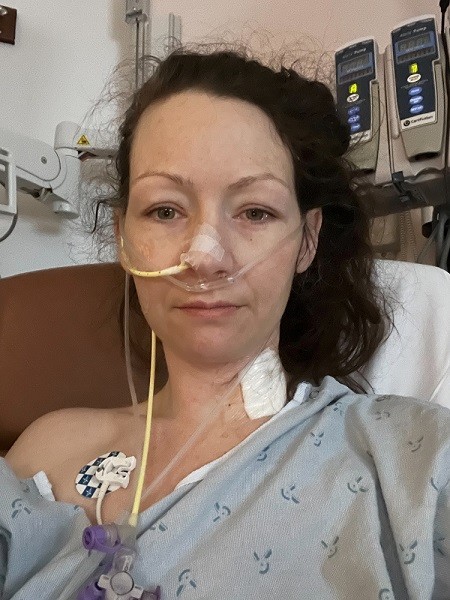
During this time, my family was amazing. My husband and daughters took over everything that I once did at home, like cooking, cleaning, laundry, and shopping.
I had strong emotional support from family and friends, my friends from nursing school, work, high school, and my husband’s family—but there was also a financial side to the journey.
Since mid-2020, I had been unable to work. Though I was eligible for disability, the funds did not compare to my former pay from work. Though me and my husband cut back a lot, there were still so many expenses—like constantly traveling the five hours south to the transplant center, and the reality that I would need to stay close to the transplant center for six weeks post-transplant, plus the out-of-pocket costs of medications and appointments.
I started fundraising with Help Hope Live based on a recommendation from my lung transplant social worker.
I chose Help Hope Live because the contributions that supporters would make would be tax deductible, and the nonprofit made my fundraising efforts feel more official than a platform like GoFundMe.
My sister and my friends threw bake sales and yard sales to help me raise funds. My community came together and supported those events. I had friends from middle school and high school who I hadn’t spoken to in years call me and offer to clean my house, cook meals, or shop for me.
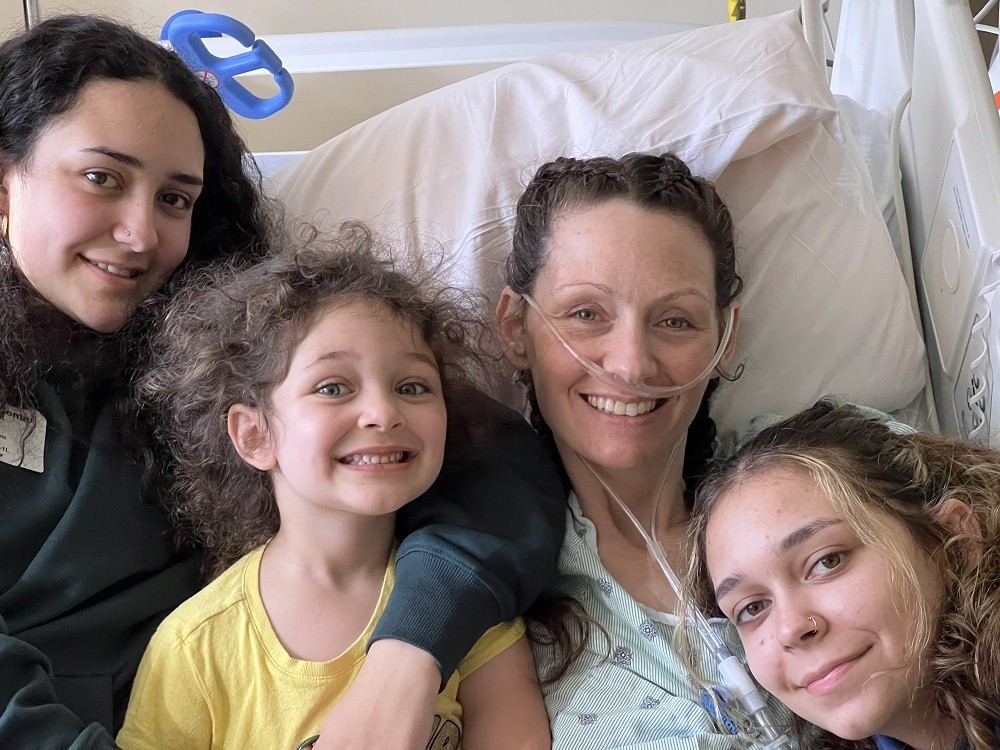
Fundraising has helped more than anyone could imagine.
I am thankful for every dollar and every person who was generous and caring enough to support me and my family during this time.
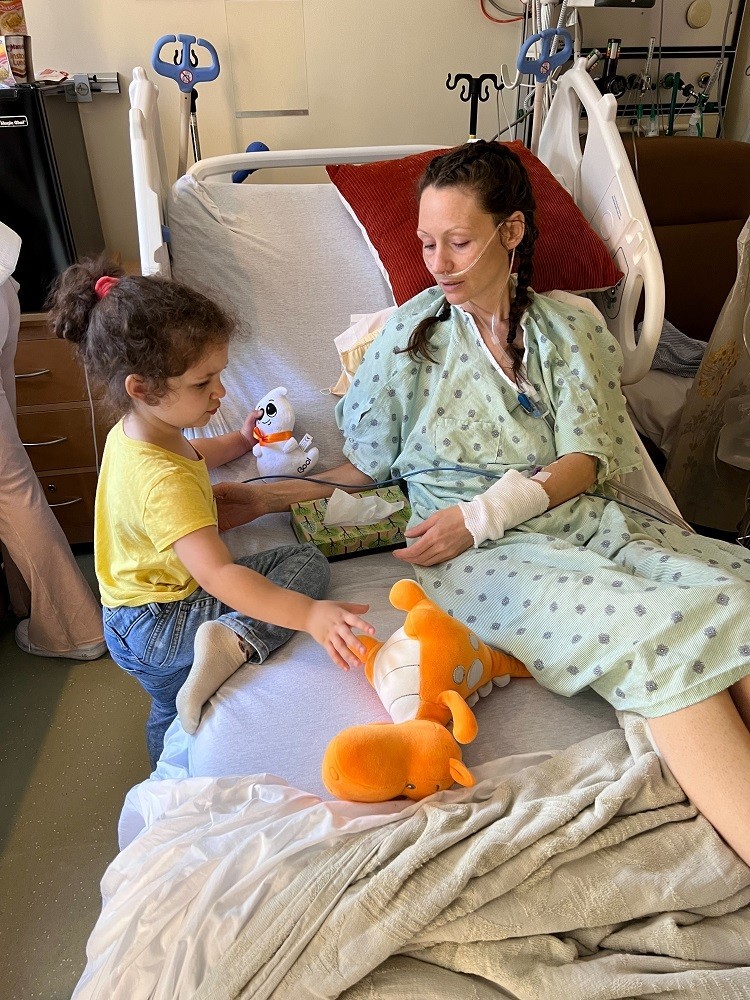
I was hospitalized in August 2022 because my body needed an amount of oxygen regularly that I couldn’t receive outside of a hospital setting. I stayed there until my transplant in December. It took me five months to find a match because my level of antibodies was so high that 99% of potential donors were not a match.
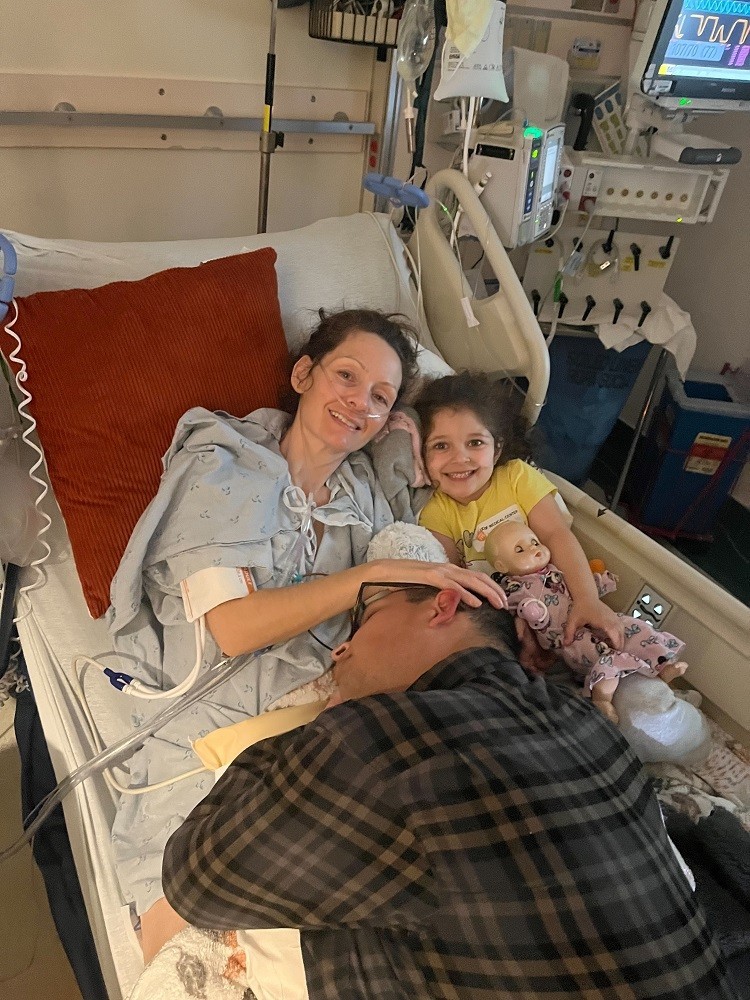
I went through so many emotions at this time. I felt helpless, trapped, scared, excited, hopeful, lost, and angry.
I spent a lot of time reading, learning meditation, and journaling. I started meeting with my therapist via phone and kept all my appointments while I was hospitalized.
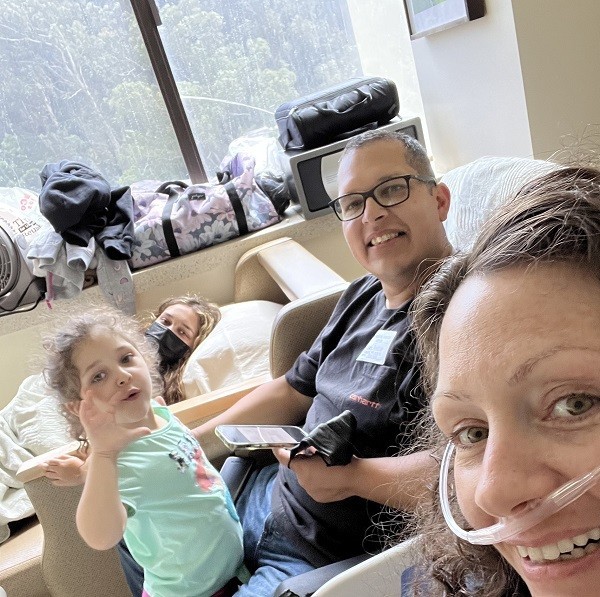
After one “dry run” in October 2022, in December, the doctor told me once again we had a possible donor. I called my husband and told him that I think this is it—I think these are my lungs and this is my donor.
I wrote final letters to the people I love just in case, and then I rested.
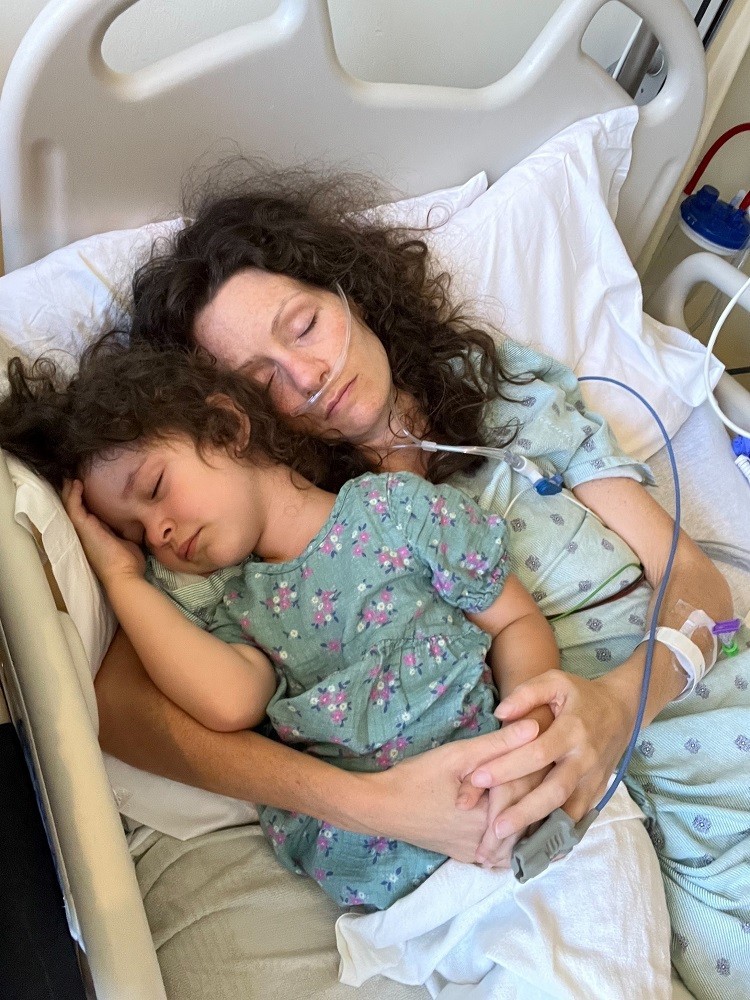
In those hours leading up to the surgery, my husband and two of my daughters were with me. It took six hours for them to drive to me, and during that time, I was able to inform the other people I cared about that I was going into surgery. There was a sense of peace in the room.
When I woke up, I was in a lot of pain and hallucinating. It was the hardest and most painful thing that I have ever experienced.
On December 12, I got the lungs of an angel—a hero—lungs that were a perfect match for me.
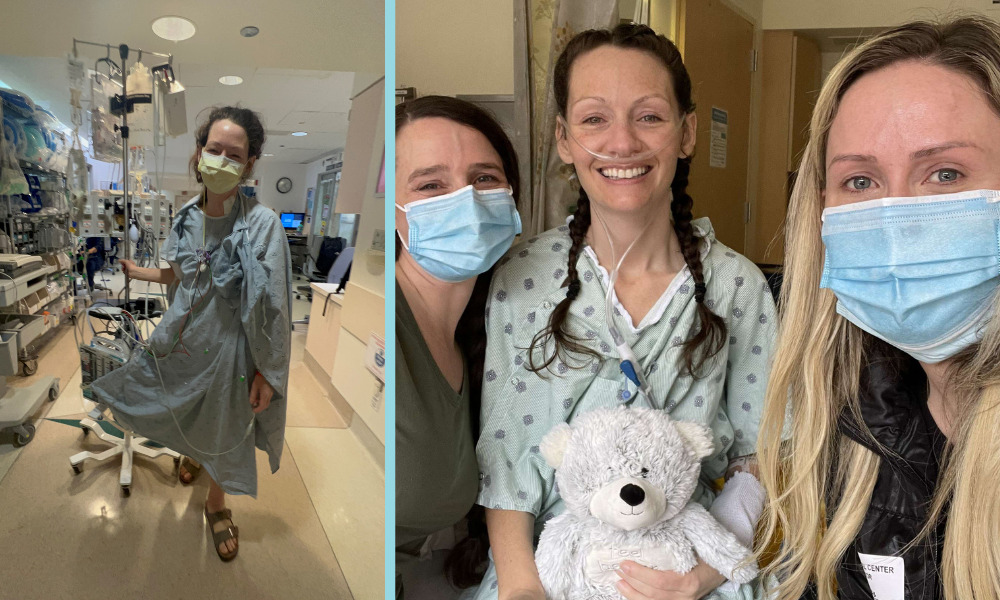
Today, I am four months out from surgery, and I am living life!
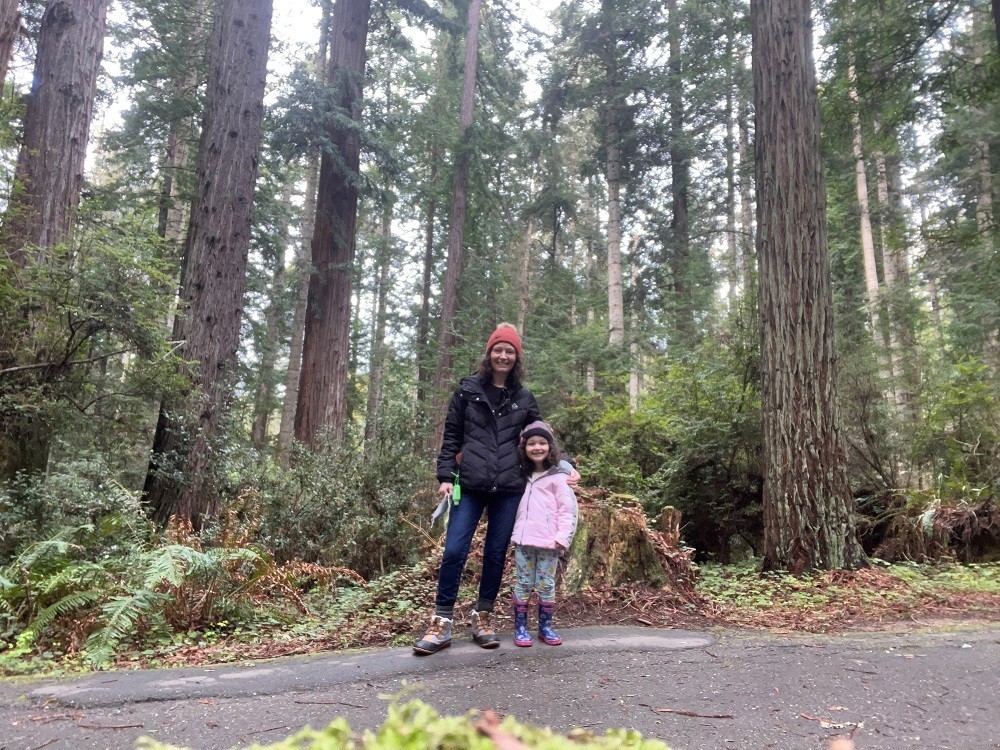
I am still healing and dealing with side effects from the medications I am taking, but compared to what I was going through before the transplant, I am very healthy and happy. I am now able to take my daughter to the park, read to her, bathe her and do her hair, cook dinner for my family, walk with my friends, go on “Costco dates” with my husband, work out, and go to the mall with my older daughters.
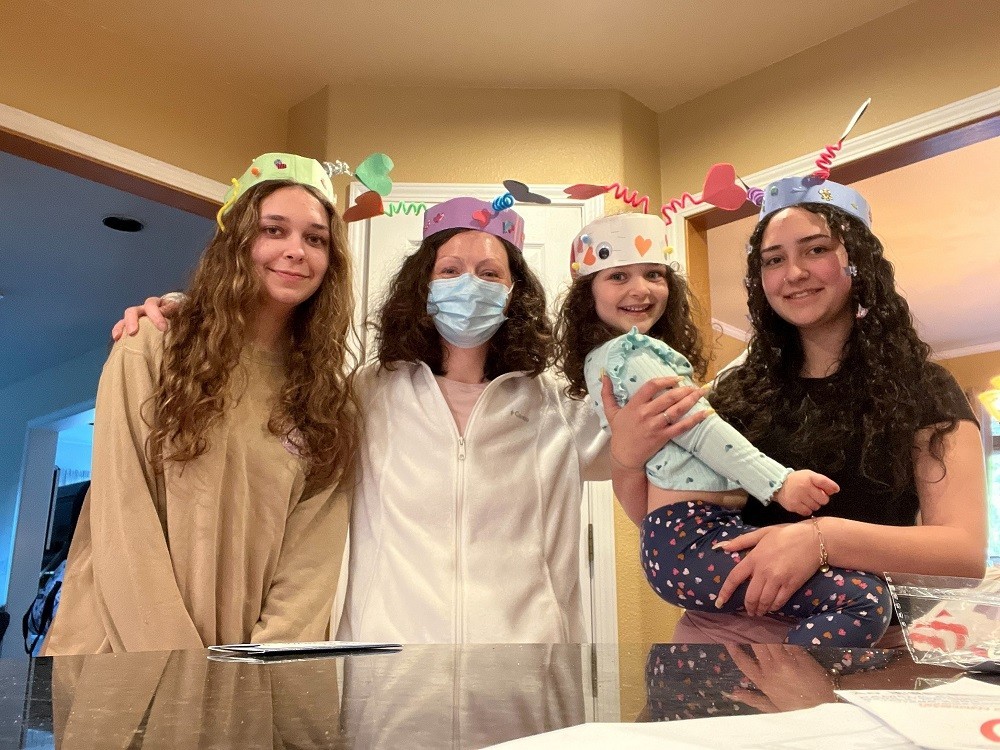
My oldest daughter Natalie, who is 18, has two jobs and spends most of her free time with her boyfriend. My middle daughter Danielle will turn 17 this month. She is very much into academics, and she just made a trip to look at colleges—her favorites were Stanford and Berkeley. My youngest, Maddie, is four years old and she is a handful. She loves the playground, socializing, and playing dress-up. She will start kindergarten this year. I look forward to being here for them as they grow.
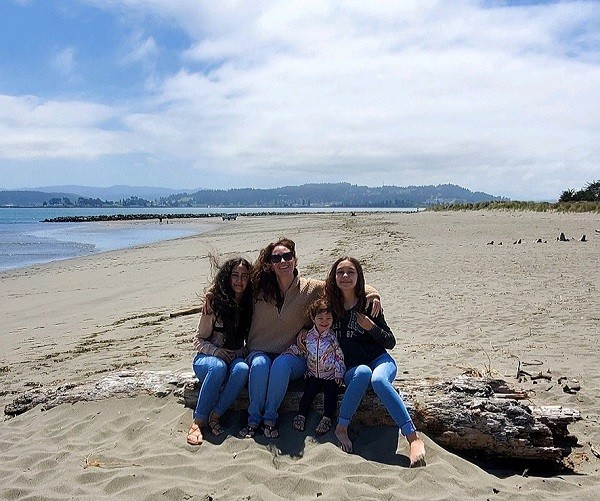
It’s the little things. It’s been amazing.
I have a newfound and deep appreciation for organ donors and their families. It may be something only donors, their families, transplant recipients, and recipients’ loved ones can truly comprehend. The person who donated their lungs literally saved my life and gave my daughters back their mom, my husband back his wife, my sisters back their sister, my nieces and nephews back their Aunty.
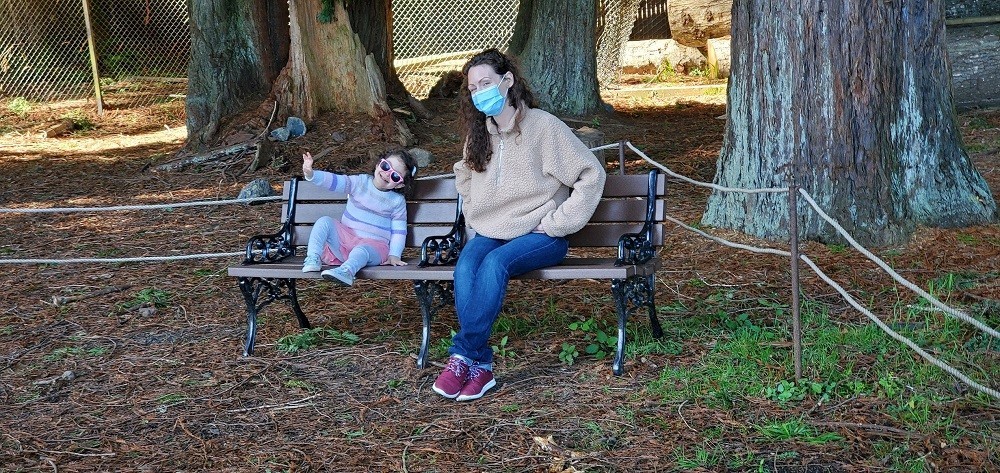
Have a conversation with the people you love about organ donation. Share what you think about it and learn what your loved ones think about it.
When an organ donor saved my life, I was just one week away from life support being the only remaining option to keep me alive. There were so few people who could have matched me that if that donor and their family did not make the decision they made, the next offer that came through might not have come in time to save my life.
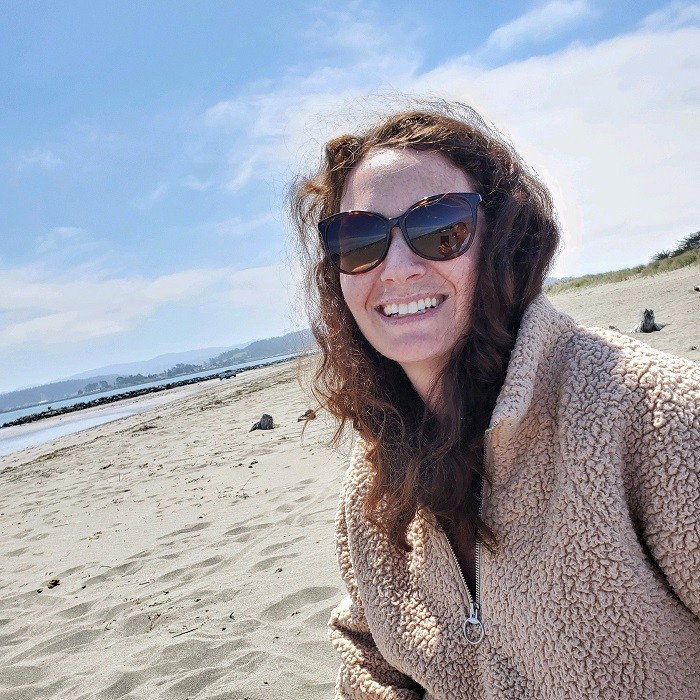
There is nothing that I can do or say to thank them enough. But what I can do is celebrate my donor and their family for their selfless sacrifice. I can do that by talking about them, advocating for organ donation, and living life to its fullest potential.
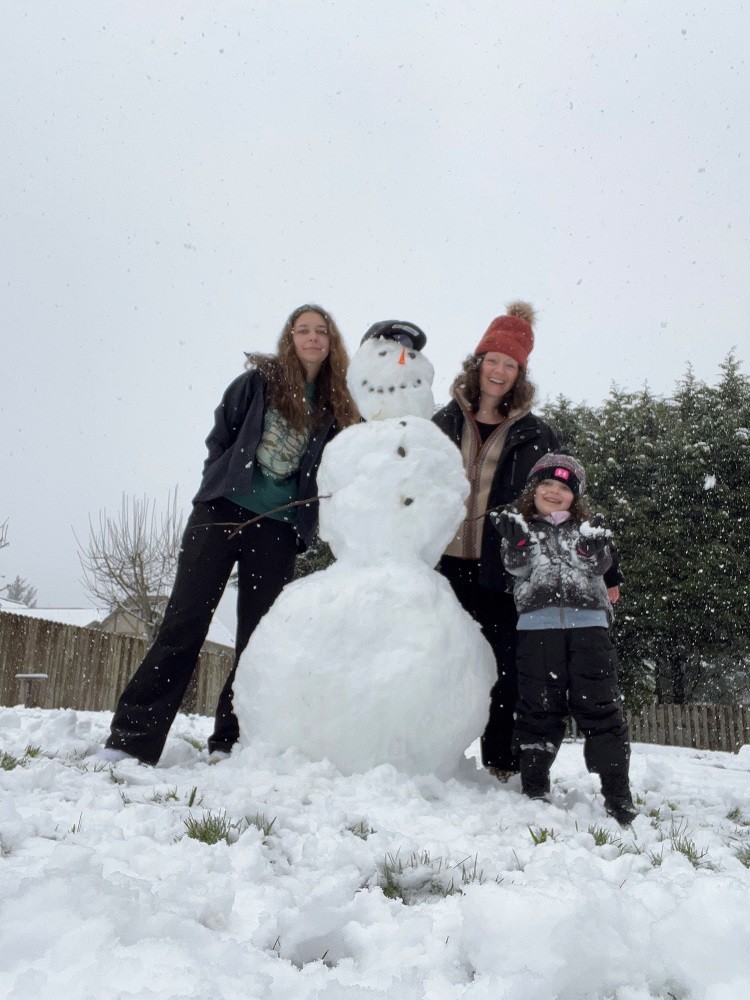
To me, hope means watching a daughter get her diploma at high school graduation or walk down the aisle. It means bringing a child to her first day of kindergarten. It means sitting next to my husband on the sand at the beach. It means sitting at the table with my extended family over the holiday. It means hiking to a waterfall with my friends.
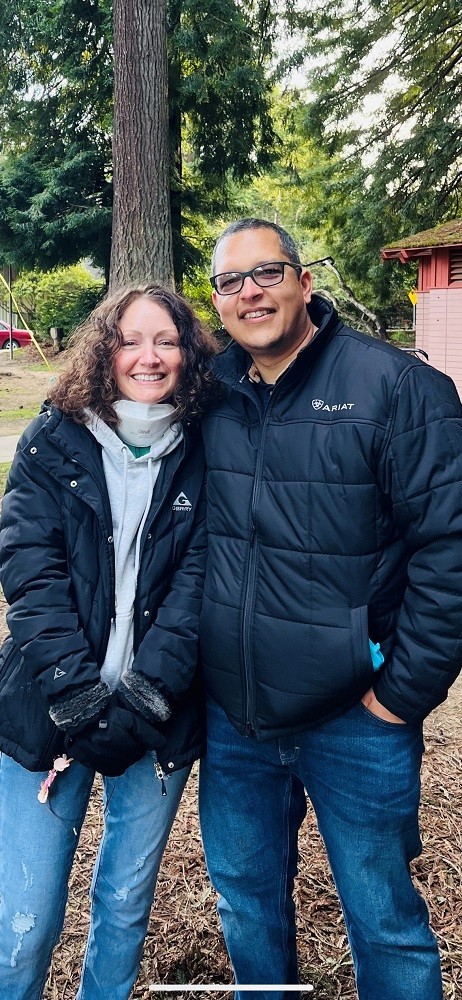
Hope is life. Hope means living life.
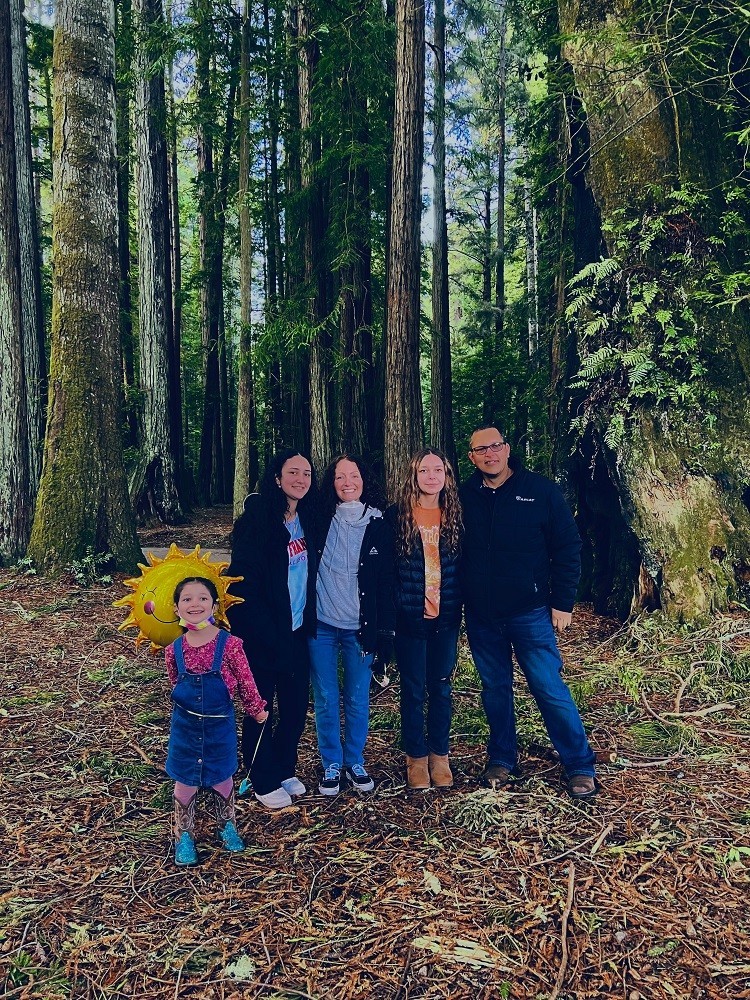
Follow Pamela’s post-transplant journey or make a donation in her honor on her Campaign Page.