Bone marrow transplants, also known as hematopoietic stem cell transplants, represent a critical frontier in modern medicine, offering potential hope and treatment for a range of life-threatening conditions.
Whether it’s to combat leukemia, lymphoma, or other blood disorders, these procedures hold significant promise for patients whose bone marrow has been compromised.
In this post, we explore what bone transplants are, types of bone marrow transplants, challenges and side effects, common costs, and the impact bone marrow transplants can have.
What Is a Bone Marrow Transplant?
Let’s start with the basics. Bone marrow is the soft tissue located inside bones. Bone marrow represents a critical region in the human body because it’s where most of the body’s blood cells develop and are eventually stored.
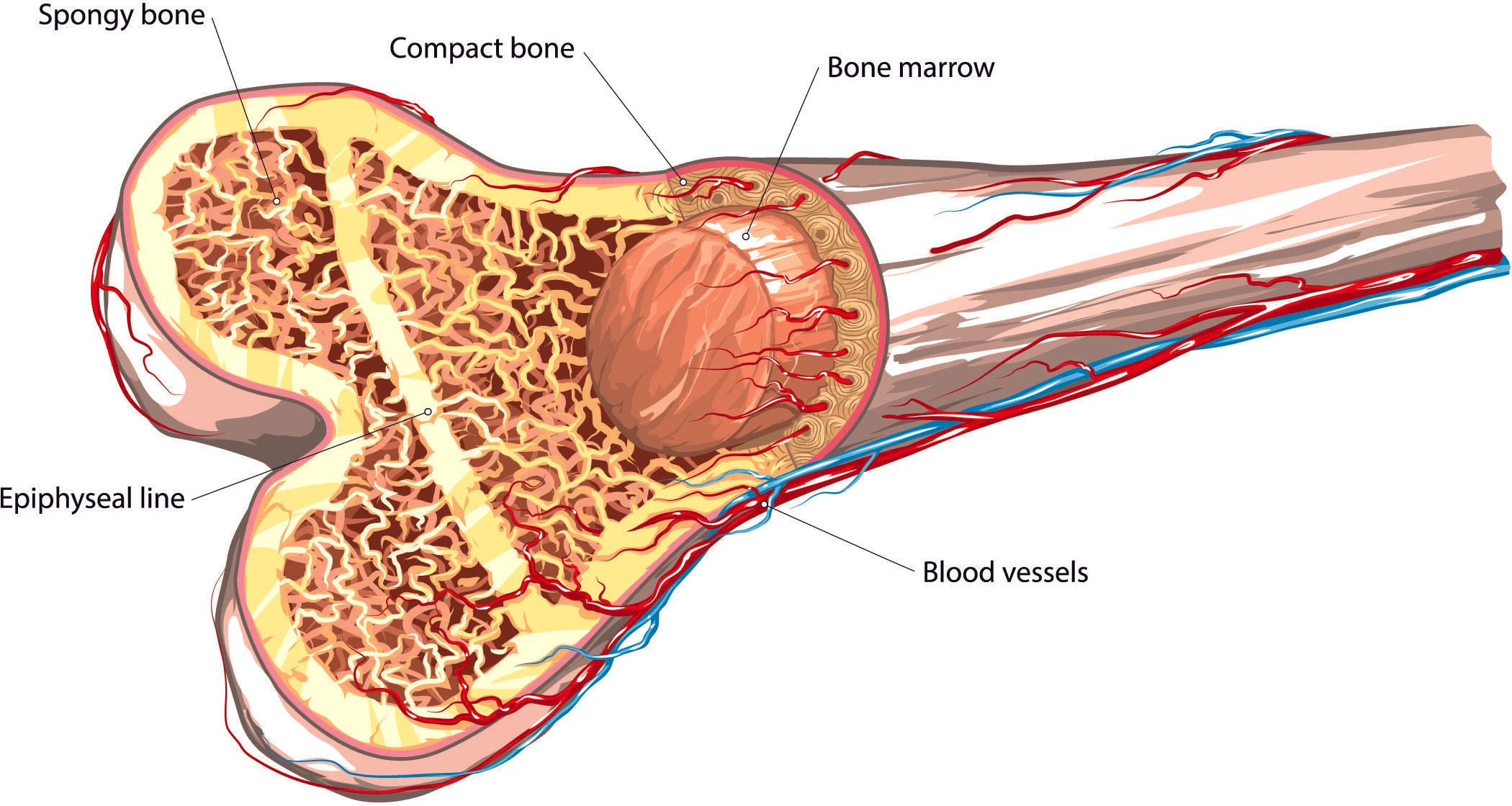
A bone marrow transplant is a unique therapy to treat patients with cancer or other diseases. According to Hopkins Medicine, a bone marrow transplant involves “taking cells that are normally found in the bone marrow (stem cells), filtering those cells, and giving them back either to the donor (patient) or to another person.”
A successful bone marrow transplant is the process of transfusing healthy bone marrow cells into a person after their own compromised bone marrow has been treated to kill the abnormal cells.
Do bone marrow transplants have a record of success? Yes: Hopkins Medicine states that the procedure has been used successfully since 1968 to treat diseases including leukemias, lymphomas, aplastic anemia, immune deficiency disorders, and some solid tumor cancers.
How Does a Bone Marrow Transplant Work?
Used as a successful cancer treatment for many years, a bone marrow transplant is a unique procedure in that it can cure many diseases and some types of cancer.
A bone marrow transplant is primarily used when the option of using radiation or chemotherapy becomes too powerful and harmful, risking permanent damage or destruction of an individual’s bone marrow stem cells. In such cases, a bone marrow transplant may be a treatment option.
According to Johns Hopkins University, a bone marrow transplant is often used for:
- Replacing diseased or failing bone marrow with healthy bone marrow. Most often, this process is performed for conditions like leukemia, aplastic anemia, and sickle cell anemia.
- Helping create and regenerate a new functioning immune system to fight leukemia or other cancers that survived the chemotherapy or radiation treatments.
- Replacing bone marrow that was damaged after high doses of radiation or chemotherapy to treat a malignancy.
- Fighting the damage caused by genetic diseases (such as Hurler’s syndrome) by replacing the non-functioning bone marrow with healthy, functioning bone marrow.
What to Expect from a Bone Marrow Transplant
With a bone marrow transplant, the process most often begins with high doses of chemotherapy or radiation. This is necessary to make room in the bone marrow for the new cells to grow. In other words, the new bone marrow needs to be placed into an empty bone so the new stem cells can develop and establish a new blood cell production system.
After this process of chemotherapy or radiation occurs, the new or treated bone marrow transplant is inserted through the central venous catheter into the bloodstream.
Many people think a bone marrow transplant is a physical replacement of the bone marrow. Instead, it is much more like receiving a blood transfusion. The stem cells flow through the recipient’s bloodstream, locating the best place to begin growing and building new, healthy blood cells.
In the post-transplant phase, health care practitioners support patients by preventing and treating infections as well as addressing potential side effects or complications of treatment.
Type of Bone Marrow Transplants
Depending on the health of the donor, different types of bone marrow transplants can be performed to achieve the best results:
- Autologous bone marrow transplant – The healthy stem cells of the patient are removed via bone marrow transplant and frozen. The cells are then given intense treatment and returned to the same individual as healthy bone marrow and stem cells. This procedure may be referred to as a rescue instead of a transplant.
- Allogeneic bone marrow transplant – This procedure is used when the donor possesses the same genetic type as the patient. Frequently, the person from whom the healthy bone marrow is harvested is a sibling of the patient, or potentially a parent who has close-match genetic marrow. The donor can be someone not related to the patient if the marrow is a strong match.
- Umbilical cord blood transplant – Stem cells are removed from an umbilical cord right after the delivery of a baby. The harvested stem cells are tested, typed, and counted, and then frozen until they are identified as the appropriate cells for a successful transplant. What is most unique about umbilical cord stem cells is that they reproduce into mature blood cells faster than stem cells removed from the bone marrow of an older child or adult.
Who Needs a Bone Marrow Transplant?
Bone marrow transplants are typically recommended for patients whose marrow is damaged or destroyed due to disease, infection, or chemotherapy.
The most frequent candidates include those diagnosed with:
- Leukemia
- Lymphoma
- Multiple myeloma
- Severe aplastic anemia
- Certain immune deficiency disorders
- Some inherited blood diseases, such as sickle cell anemia and thalassemia
Your medical team will conduct a thorough evaluation to determine if a bone marrow transplant is the appropriate treatment based on your specific diagnosis, health status, and available donors.
How Much Does a Bone Marrow Transplant Cost?
The average cost of a bone marrow transplant can vary widely depending on factors such as the type of transplant, the patient’s health, and the country or region where it is performed.
In the United States, the average cost of bone marrow transplants ranges from over $570,000 to over $1.2 million as of 2025.
Learn which expenses bone marrow transplant patients typically face, whether insurance covers all the costs, and how to start a bone marrow transplant fundraising campaign on this page.
Risks and Side Effects of Bone Marrow Transplants
Like any major medical procedure, bone marrow transplants come with risks and potential complications, including the following.
- Graft-versus-host disease (GVHD): This occurs when transplanted immune cells attack the recipient’s body.
- Infections: The immune system is weakened after a transplant, making recipients more vulnerable to infections.
- Organ damage: High doses of chemotherapy or radiation can damage organs such as the liver, lungs, or heart.
- Bleeding and anemia: The patient’s body may take time to start producing healthy blood cells after the procedure.
Life After a Bone Marrow Transplant
Recovery from a bone marrow transplant takes time and patience. Immediately after the procedure, patients require intensive monitoring for infections, rejection, and other complications. Over the following months and years, regular check-ups and blood tests are needed to ensure the new marrow is functioning well.
Many transplant recipients resume daily activities and enjoy a high quality of life, but the recovery journey is unique for each patient. Support from family, friends, and community-based organizations is invaluable during this period.
Community-Based Support and Resources
Successfully navigating the bone marrow transplant process often requires a strong support network. Many community-based organizations, including nonprofits like Help Hope Live and advocacy groups, provide emotional, financial, and logistical support to patients and their families.
These resources may include:
- Patient education and counseling
- Transportation and housing assistance during treatment
- Peer support groups
- Help with finding potential donors and fundraising for costs
Reaching out to these organizations early in your transplant journey can make a significant difference in both practical and emotional well-being.
Preparing for a Bone Marrow Transplant: What to Read Next
Bone marrow transplants are life-saving procedures that can offer hope to patients with serious blood disorders and cancers.
If you or someone you love is facing a bone marrow transplant and concerned about the associated out-of-pocket costs, learn about what to expect and how to find support from your community through our trusted nonprofit Help Hope Live.
If fundraising is not the right fit for you, explore additional transplant resources in this comprehensive and hand-vetted Transplant Resource Directory from Help Hope Live.
Written by Help Hope Live