Topics Covered
- What Is a Multivisceral Organ Transplant?
- Which Medical Conditions Can Result in a Multivisceral Organ Transplant?
- How Much Does a Multivisceral Organ Transplant Cost?
- Common Costs Associated with a Multivisceral Transplant
- Finding Financial Assistance for a Multivisceral Organ Transplant
- How Does Fundraising for Multivisceral Transplants Work?
Common Transplant Expenses
- Health insurance premiums
- Medical travel
- Medications
- Medical relocation
- Caregiving
An urgent transplant need represents a physical, mental, emotional, and financial burden. In this post, learn why a multivisceral organ transplant takes place, which costs are associated with transplants, why insurance may not cover every cost, and how to get help through a verified Community-Led fundraising campaign.
What Is a Multivisceral Organ Transplant?
An intestinal or multivisceral organ transplant involves transplanting multiple organs at the same time: typically the liver, small intestine, and abdominal organs like the stomach and pancreas. These transplants are a treatment pathway for individuals with certain severe gastrointestinal diagnoses.
These transplants replace a patient’s entire gastrointestinal system with new, healthier organs, which is typically the only way to reboot the gastrointestinal tract for better health. This treatment may be an option for people who can’t receive total parenteral nutrition (TPN) or liquid nutrition intravenously.
Which Medical Conditions Can Result in a Multivisceral Organ Transplant?
Most commonly, a multivisceral organ transplant occurs when a patient is living with short bowel syndrome and intestinal failure. There are many conditions that can lead to the need for a multivisceral organ transplant, but some of the most common are:
- Aganglionosis/Hirschsprung’s Disease
- Blocked or obstructed intestines (atresia)
- Desmoid tumor with intra-abdominal infiltration
- End-stage liver disease (cirrhosis)
- Gastroschisis
- Gardner’s syndrome
- Malabsorption
- Massive resection of the intestine
- Mesenteric thrombosis
- Microvillus inclusion
- Necrotizing enterocolitis
- Pseudo-obstruction
- Short bowel syndrome
- Trauma: some trauma victims who survive acute illness develop lingering, debilitating syndromes that can disrupt certain abdominal organs, according to the Journal of Trauma and Acute Care Surgery. Intestinal failure due to catastrophic accidents (car, sports, etc.) and diseases are just two traumatic types of traumatic experiences that could lead to a multivisceral organ transplant.
- Volvulus
How Much Does a Multivisceral Organ Transplant Cost?
Multivisceral organ transplant cost will vary depending on the number of organs and types of organs that will be transplanted. The average major pre-insurance costs for organ transplants include:
| Phase of Treatment | Estimated Cost |
|---|---|
| Bone Marrow Transplant | $1,261,800 |
| Heart Transplant | $1,918,700 |
| Intestine transplant (multivisceral organ transplant) | $1,996,400 |
| Kidney transplant | $446,800 |
| Liver transplant | $1,017,800 |
| Lung Transplant | $1,810,700 |
| Double Lung Transplant | $2,346,500 |
| Multivisceral Organ Transplant | *Varies |
| Organ Transplant | *Varies |
| Pancreas Transplant | $609,400 |
| Stem Cell Transplant | $577,200+ |
Regarding intestine transplant cost, also referred to as ITx, these procedures are much more costly than other transplant procedures on average because of the severity of the transplant. ITx involves a newer transplant technique developed just a few years ago that has now become standard for treating intestinal-related issues requiring transplants.
Other treatments for bowel/intestinal failure such as HPN, or home parenteral nutrition, are typically less effective but also less costly. However, while ITx has a high initial cost, research shows that the procedure is cost effective over HPN in adults by the fourth year post-transplant and cost saving by the fifth year post-transplant.
While multivisceral organ transplants are life-saving procedures, they can be life-disrupting for patients and their families before, during, and after transplant. Initial recovery alone can take more than a year with likely limitations to a patient’s activities and employment capabilities, and all transplant recipients typically take medication for the rest of their lives.
Common Costs Associated with a Multivisceral Transplant
Every organ transplant will come with a range of costs insurance may or may not cover. Almost every transplant candidate or recipient will incur some costs out of pocket. Here are a few common costs associated with organ transplants, including multivisceral transplants:
- Health insurance premiums, deductibles, and co-pays
- Pre-transplant medications
- Unexpected pre-transplant hospitalizations
- Medical travel and temporary lodging while you are being listed for transplant
- Medical travel and temporary lodging when you receive the transplant
- Relocation or moving expenses due to the transplant
- Mileage, tolls, and parking fees for transplant-related medical travel
- Caregiver costs, including lost work
- Post-transplant immunosuppressants, which a transplant recipient must take for the rest of their life
Finding Financial Assistance for a Multivisceral Organ Transplant
The medical expenses associated with multivisceral procedures, rehabilitation funding for transplants, and long-term health care costs will vary. These costs can add up quickly–even with insurance.
Help Hope Live is your community-based fundraising source to assist with unmet medical expenses and related costs associated with a variety of transplants, including multivisceral procedures.
How Does Fundraising for Multivisceral Transplants Work?
The fundraising process with our nonprofit starts with a few simple steps:
- Complete a short campaign request at helphopelive.org/get-started/apply
- We will contact you if community-based fundraising is a possible option
- You’ll be paired with a Client Services Coordinator
- Your Coordinator will provide you with one-on-one fundraising help, including personalized materials and guidance on rallying your community, sharing your story on social media, reaching out to the press, planning in-person or virtual fundraising events, and much more
How Is Help Hope Live Different from GoFundMe?
Help Hope Live differs from GoFundMe by:
- Verifying your medical need for complete donor confidence
- Enabling tax-deductible donations
- Providing one-on-one fundraising help
- Managing all funds raised to protect your state-based benefits (funds raised are not considered personal income/assets to you)
We are a nonprofit with more than four decades of fundraising experience and a 4-star Charity Navigator rating.
Does Community-Led Fundraising Work?

“Could not have made it this far without your support.”
Tony Billings and his wife Maxine began fundraising when they learned that a liver transplant would result in multiple out-of-pocket expenses, including $600 per month in medications alone. Tony and Maxine relied on our fundraising assistance to share community updates and collect help and hope from their loved ones. Tony received a successful liver transplant in 2018.
View Campaign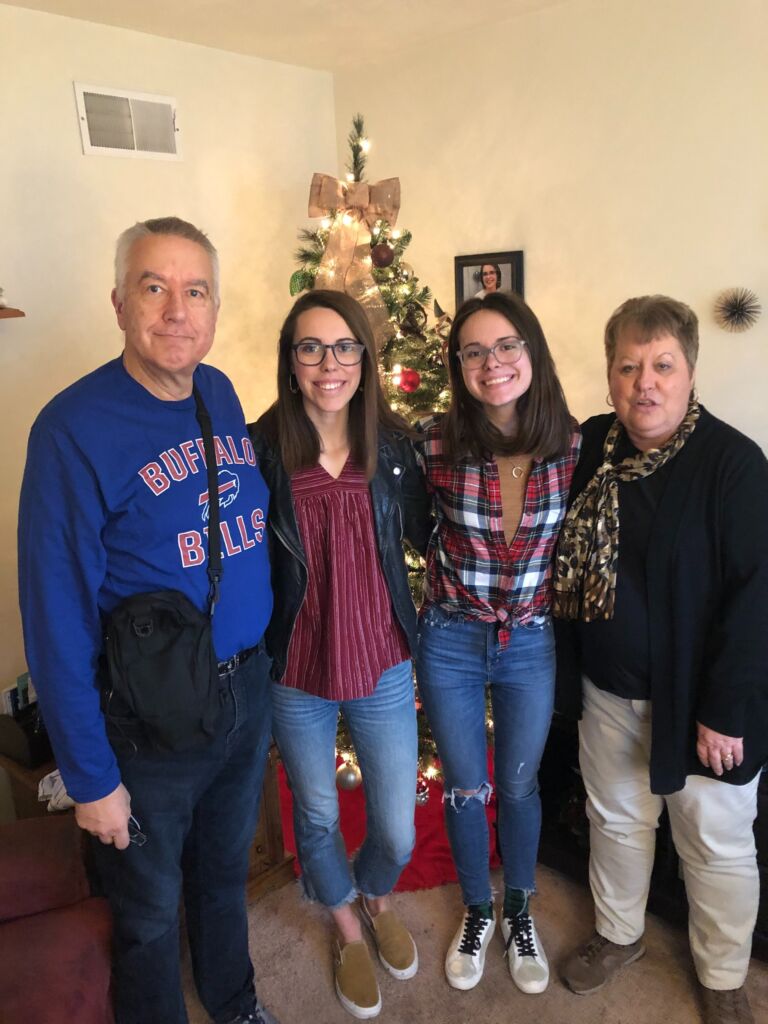
“Made fundraising an easy process to understand.”
Gregory Hal Wright turned to Help Hope Live to assist with the expenses associated with a life-changing transplant. With one-on-one fundraising help that included press outreach assistance and both online and in-person fundraisers, Greg raised over $18,000 and received a successful transplant in 2020. He is now a Help Hope Live Ambassador who helps other transplant candidates and recipients to connect with our nonprofit for trusted transplant fundraising.
View CampaignPartners In Hope
Our success as a fundraising site for medical bills wouldn’t be possible if it weren’t for our outstanding partners.

Permobil

The Do Gooders

The Esther & Pedro Rosenblatt Foundation

Lindo Foundation

Costco

Foxwynd Foundation

SureHands Lift & Care

Stout

Kennedy Krieger International Center for Spinal Cord Injury

Jefferson Health

Independence Blue Cross

DigiStream

Glenmede

Brandywine Realty Trust

United Access

Gift of Life Howie’s House
Transplant Alliance Foundation

Bridge to Mobility

Reeve Foundation

ADT Medical Alert

Feeldom

Smart Adaptive Clothing

Patti + Ricky

Reboundwear

BILLY Footwear

Ex N’ Flex

WheelEEZ

Active Hands

Ultimate Workout and Recovery

VitaGlide

Cherry Wheels

The LapSnap

Spinergy

Vapor Wheels

Wheelie Cool Stuff

Frog Legs

Rollx Vans

Global Genes Alliance

Firstrust Bank

Abilities Expo

Prelude Solutions

KYW Newsradio 1060

Walgreens Specialty Pharmacy

AMS VANS

Vantage Mobility International