Finding Financial Assistance for Chronic Traumatic Encephalopathy (CTE)
Understand CTE treatment and care costs, and learn how Help Hope Live provides financial assistance for CTE patients.
Chronic traumatic encephalopathy (CTE) is a progressive brain disease linked to repeated head injuries. From advanced imaging and specialist fees to long-term care and home modifications, out-of-pocket costs can quickly become overwhelming.
Potential costs of care range from neurological evaluations and mental health services to daily support and long-term planning. Understanding what to expect from CTE medical and related costs is an important step toward securing the resources you or someone you love will need for stability and quality of life.
In this post, we highlight how our nonprofit provides support for individuals and families through medical fundraising, helping to reduce the financial stress of costs associated with traumatic brain injuries caused by CTE.
CTE vs TBI: What’s the Difference?
TBI is an acute brain injury that happens at a specific moment in time, while CTE is a long-term disease linked to repeated brain trauma. Not everyone who experiences TBI develops CTE, but repeated TBIs and ongoing head impacts are considered significant risk factors.
CTE and TBI share overlap in terms of which out-of-pocket costs that individuals and families may have to cover, even with insurance. Learn the costs associated with a traumatic brain injury.
Estimated Costs of CTE Diagnosis and Care
While every CTE journey is unique, costs can vary significantly depending on the level of care required.
Although CTE is a distinct, progressive condition rather than an acute injury, it stems from repeated brain trauma and may involve similar categories of expenses, including intensive rehabilitation, medications, treatment services, and long-term support.
For individuals facing advanced symptoms, the total estimated first-year cost of managing a progressive brain condition can range from tens of thousands of dollars to well over $75,000 or more when extended care and supportive services are needed.
Research on patients with serious neurological impairment shows that extended inpatient rehabilitation alone
Common Out-of-Pocket Expenses for CTE
Many necessary CTE-related costs fall outside standard medical bills. Common out-of-pocket CTE expenses include:
- Health insurance premiums, deductibles, and co-pays
- Medications
- Travel expenses for rehabilitation and treatment
- Relocation or moving expenses related to the diagnosis (such as in the case of moving to be closer to a rehabilitation center or hospital for treatment)
- Temporary housing due to relocation
- Mileage, tolls, and parking fees for visits to rehabilitation center or hospital
- Specialized wheelchairs and other durable medical equipment
- Specially equipped vans and durable medical equipment
- Home modification related to the diagnosis
- Home health care services
- Assistive technology
- Physical therapy and vocational rehabilitation
- Experimental treatments
Does Insurance Cover Costs for CTE?
In most cases, medical insurance does not provide 100% coverage for the costs of a traumatic brain injury from a CTE diagnosis. Insurance may cover diagnostic scans, doctor visits, and some therapies; however, some costs like home adaptations, caregiving, and travel are rarely included, leaving families to find additional funding sources
Finding Financial Help with Help Hope Live
Help Hope Live is a 501(c)(3) nonprofit helping individuals and families facing CTE to launch campaigns. Our organization assists those seeking financial support for expenses related to the treatment and long-term care associated with CTE.
How Does Fundraising for CTE Work?
Fundraising with our nonprofit works as follows:
- Complete a short campaign request at org/get-started/apply
- We will contact you if community-based fundraising is a possible option
- You’ll be paired with a Client Services Coordinator
- Your Coordinator will provide you with one-on-one fundraising help, including personalized materials and guidance on how to rally your community, share your story on social media, reach out to the press, plan in-person or virtual fundraising events, and much more.
How Is Help Hope Live Different from GoFundMe?
- Verifying your medical need for complete donor confidence
- Enabling donations that are tax-deductible
- Providing one-on-one fundraising help
- Managing all funds raised to protect your state-based benefits (funds raised are not considered personal income/assets to you)
- Paying bills directly, allowing you to focus on treatment and recovery
Help Hope Live is a nonprofit with decades of transplant fundraising experience and a perfect 4-star Charity Navigator rating.
Does Medical Fundraising Work?
Thousands of individuals and families have used Help Hope Live’s medical fundraising support to cover out-of-pocket medical expenses. If you’re considering a fundraising campaign, here are a few real client stories.
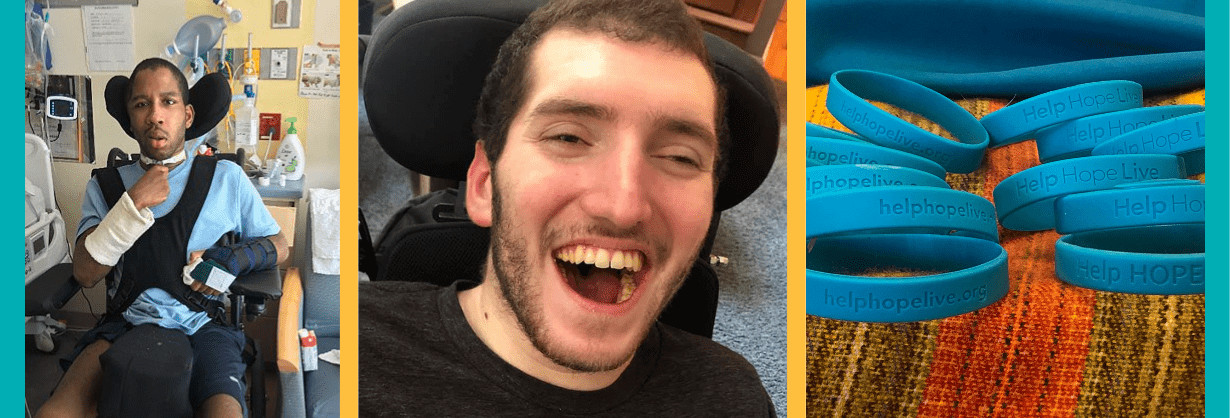
"The expenses are endless… so is the community’s generosity."
Ethan Kadish was struck by lightning. He is now living with a severe traumatic brain injury. Costs associated with his diagnosis are over $1 million per year with only limited help from insurance. That’s why we became a critical financial lifeline for “Team Ethan” with personalized fundraising help at every stage of their journey.
“It’s much more than a fundraiser: it is an event that Matt refers to as his best day of the year.”
A snowboarding accident left Matt Collura with a traumatic brain injury, which led to years on the long and grueling road to recovery with countless out-of-pocket expenses at every stop. Help Hope Live helped Matt and his family to plan an annual 5K Walk/Run event with one-on-one fundraising help. Funds raised have helped pay for at-home rehab equipment, physical therapy, and a stairlift.
“We are thankful.”
Alex Litz sustained a traumatic brain injury while he was taking a routine drive to visit his parents. He was about to start his career in medicine. Help Hope Live has supported Alex and his family as they fundraise to cover a wide range of TBI-related expenses through online and in-person fundraising. They smashed through their initial $50,000 fundraising goal with us.
Ready to Seek Financial Support for Yourself or Someone You Love?
COMMON CTE EXPENSES
Caregiving
Medical travel
Activity-based therapy
Specialized equipment
RESOURCES
READY TO GET STARTED?
If you choose to fundraise with our nonprofit, here’s how the process will look:
1. APPLY for assistance
2. YOU’LL BE PAIRED with a Client Services Coordinator
3. YOUR COORDINATOR will provide you with one-on-one fundraising help, including personalized fundraising materials and guidance on how to rally your community, share your story on social media, reach out to the press, plan in-person or virtual fundraising events, and more.
PARTNERS IN HOPE
Our success as a fundraising site for medical bills wouldn't be possible if it weren't for our outstanding partners.

Vantage Mobility International

AMS Vans

Walgreens Specialty Pharmacy

KYW Newsradio 1060

Prelude Solutions

Abilities Expo

Global Genes Alliance