Finding Financial Help for Dementia Care
Get help covering dementia-related costs through community-led fundraising with our nonprofit.
Dementia is a broad term used to describe a range of conditions that impact memory, thinking, and daily functioning, including Alzheimer’s disease and related disorders. As symptoms progress over time, individuals often require an increasing level of medical care, supervision, and support. These long-term needs can place a significant financial strain on individuals and families, especially as care extends beyond what insurance typically covers.
In this post, you will learn about the estimated costs of dementia care, common out-of-pocket expenses, what insurance may or may not cover, and how to find financial support through community-based fundraising with Help Hope Live.
Estimated Costs of Dementia Care
The cost of dementia care can vary widely depending on the stage of the condition and the level of support required. However, national data shows that families often face substantial and ongoing expenses.
According to the Alzheimer’s Association, the total lifetime cost of care for someone living with dementia is estimated at $405,262 as of 2024, with families covering about 70% of those costs out of pocket.
Families frequently encounter a broad range of out-of-pocket expenses either not covered or not fully covered by insurance, such as:
- Health insurance premiums, deductibles, and co-payments
- Medications
- Medical travel expenses for therapy or treatment
- Relocation or moving expenses due to diagnosis (such as in the case of moving to be closer to a therapy center or hospital for treatment)
- Temporary housing due to medical relocation
- Mileage, tolls, and parking fees for visits to therapy centers or hospitals
- Specially equipped vans, specialized wheelchairs, and durable medical equipment
- Home modifications for accessibility
- Home health care services and caregiving
- Activity-based therapy and rehabilitation
- Assistive technology
- Experimental treatments
Other common costs for dementia care can include:
- In-home caregiving services or home health aides
- Adult day care programs and respite care
- Assisted living or memory care facility costs
- Skilled nursing care for advanced stages of dementia
- Home safety modifications, such as grab bars, locks, or monitoring systems
- Transportation to frequent medical appointments
- Lost income or reduced work hours for family caregivers
Some supportive services, therapies, or long-term care options may not be covered by insurance at all. As dementia progresses, care needs often increase in both frequency and intensity, leading to ongoing and recurring financial demands for families.
Does Insurance Cover Dementia Care?
Insurance coverage for dementia-related care depends on your specific plan, provider network, and eligibility for programs such as Medicare or Medicaid. While insurance may cover certain medical services, such as doctor visits, hospital stays, and limited home health care, it often does not fully cover long-term care and treatment needs.
Services like extended in-home caregiving, adult day programs, assisted living, and nursing home care may require significant out-of-pocket payment. Non-medical expenses, including transportation, home safety modifications, and caregiver support, are also rarely covered by insurance.
Securing Financial Assistance for Dementia Patients
When out-of-pocket costs begin to add up, many families look for additional ways to manage the financial impact of dementia care.
Our nonprofit, Help Hope Live, helps individuals and families facing high medical expenses to access financial support through community-based fundraising. With personalized guidance and nonprofit oversight, we help you raise funds to cover essential care and related expenses, so you can focus on what matters most.
How Does Fundraising for Dementia Care Work?
The community-based fundraising process with our nonprofit starts with a few simple steps:
- Complete a short campaign request at helphopelive.org/get-started/apply
- We will contact you if community-based fundraising is a possible option
- You’ll be paired with a Client Services Coordinator
- Your Coordinator will provide you with one-on-one fundraising help, including personalized materials and guidance on how to rally your community, share your story on social media, reach out to the press, plan in-person or virtual fundraising events, and much more.
How Is Help Hope Live Different from GoFundMe?
- Verifying your medical need for complete donor confidence
- Enabling donations that are tax-deductible
- Providing one-on-one fundraising help
- Managing all funds raised to protect your state-based benefits (funds raised are not considered personal income/assets to you)
- Paying bills directly, allowing you to focus on treatment and recovery
We are a nonprofit with more than four decades of fundraising experience and a 4-star Charity Navigator rating.
Does Community-Based Fundraising Really Work?
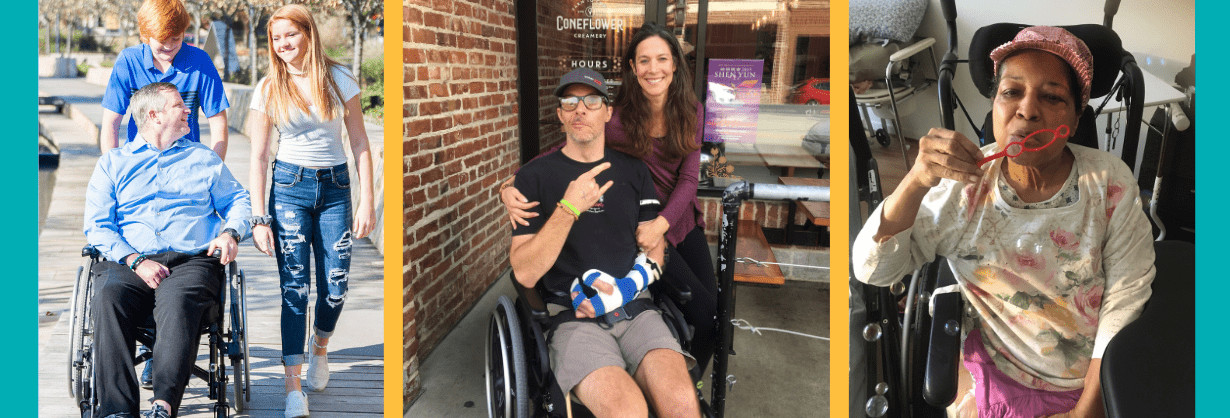
Absolutely! We have helped thousands of people successfully cover crucial medical expenses and related costs through Help Hope Live. Here are just a few of their stories.
"An amazing demonstration of what the TRUE meaning of a loving community is."
Leo Patnode experienced a brain stem stroke following sudden surgery during a business trip. His family started fundraising with Help Hope Live for stroke-related out-of-pocket costs, including inpatient and at-home rehabilitation and around-the-clock home caregiving. As of 2026, Leo’s campaign has surpassed $123,000 raised through online and in-person community fundraisers.
“Help Hope Live manages the funds and ensures fiscal accountability. The money is only going toward legitimate medical expenses.”
Kristoffer Kristensen experienced a left pelvis, leg, and hip amputation due to a rare bone cancer diagnosis. He lost his job, mobility, and independence. Kristoffer came to Help Hope Live to help fund a brighter and more mobile future. He has raised over $10,600 with Help Hope Live so far with one-on-one fundraising help at every stage of his journey, including event planning help, successful press outreach in his community, and customized fundraising materials. He posts regular video Updates on his Campaign Page to keep his community engaged.
Ready to get financial support for dementia care? Start your fundraising campaign now.
COMMON DEMENTIA EXPENSES
Health insurance premiums
Medical travel
Medications
Caregiving
RESOURCES
Ready to Get Started?
If you choose to fundraise with our nonprofit, here’s how the process will look:
1. APPLY for assistance
2. YOU’LL BE PAIRED with a Client Services Coordinator
3. YOUR COORDINATOR will provide you with one-on-one fundraising help, including personalized fundraising materials and guidance on how to rally your community, share your story on social media, reach out to the press, plan in-person or virtual fundraising events, and more.
Need Other Financial Help Options?
For alternatives to fundraising, you can find information on a variety of cancer financial assistance options. Please view our Catastrophic Illness Resource Directory for insight into sources of direct financial aid, support groups, and other resources for cancer patients and their families.
PARTNERS IN HOPE
Our success as a fundraising site for medical bills wouldn't be possible if it weren't for our outstanding partners.

Vantage Mobility International

AMS Vans

Walgreens Specialty Pharmacy

KYW Newsradio 1060

Prelude Solutions

Abilities Expo

Global Genes Alliance