Finding Ehlers-Danlos Syndrome Financial Assistance
Get help for Ehlers-Danlos Syndrome (EDS) costs by fundraising with our nonprofit.
Ehlers-Danlos Syndrome (EDS) is a group of rare connective tissue disorders that affects thousands of individuals and families each year. Living with EDS can bring unpredictable medical complications and a lifelong need for specialized care, mobility aids, therapies, and out-of-pocket health care expenses. The resulting financial strain can be overwhelming.
Across the country, people living with EDS have successfully found financial help through fundraising, grants, and charitable support, including through medical fundraising with our nonprofitHelp Hope Live.
In this post, you’ll learn about common costs associated with Ehlers-Danlos Syndrome, which expenses may not be covered by insurance, and how to secure EDS fundraising help from our nonprofit. Pair our support with other resources to find the financial support you need for life with EDS.
Common Costs with Ehlers-Danlos Syndrome
According to a 2022 study, the median out-of-pocket cost of Ehlers-Danlos Syndrome medical expenses was $13,450 per year. While medical costs can vary widely based on EDS subtype and severity, families frequently face a broad range of out-of-pocket expenses not covered by insurance, such as:
- Health insurance premiums, deductibles, and co-payments
- Medications
- Medical travel expenses for therapy or treatment
- Relocation or moving expenses due to diagnosis (such as in the case of moving to be closer to a therapy center or hospital for treatment)
- Temporary housing due to medical relocation
- Mileage, tolls, and parking fees for visits to therapy center or hospital
- Specially equipped vans, specialized wheelchairs, and durable medical equipment
- Home modifications for accessibility
- Home health care services and caregiving
- Activity-based therapy and rehabilitation
- Assistive technology
Some treatments or therapies may still be considered experimental by insurance and not reimbursed or covered at all. Additionally, many EDS patients require ongoing, lifelong treatment and proactive management, creating recurring financial needs.
Does Insurance Cover Ehlers-Danlos Syndrome Care?
Coverage can depend on insurance type, network restrictions, and your location. While most insurance plans cover basic medical care, they may limit coverage for genetic testing, ongoing therapies, or essential equipment upgrades. Insurance may also restrict which specialists or therapies you can access without substantial out-of-pocket financial commitments.
Travel, home modifications, or alternative pain management strategies are seldom covered.
Securing Financial Support for Ehlers-Danlos Syndrome
Our nonprofit Help Hope Live is dedicated to making sure no one faces the financial impact of EDS alone.
Through compassionate, community-based medical fundraising, we help families cover medical and related costs for EDS patients to relieve the financial burden of out-of-pocket costs.
How Does Fundraising for Ehlers-Danlos Syndrome Work?
The community-based fundraising process with our nonprofit starts with a few simple steps:
- Complete a short campaign request at helphopelive.org/get-started/apply
- We will contact you if community-based fundraising is a possible option
- You’ll be paired with a Client Services Coordinator
- Your Coordinator will provide you with one-on-one fundraising help, including personalized materials and guidance on how to rally your community, share your story on social media, reach out to the press, plan in-person or virtual fundraising events, and much more.
How Is Help Hope Live Different from GoFundMe?
- Verifying your medical need for complete donor confidence
- Enabling donations that are tax-deductible
- Providing one-on-one fundraising help
- Managing all funds raised to protect your state-based benefits (funds raised are not considered personal income/assets to you)
- Paying bills directly, allowing you to focus on treatment and recovery
We are a nonprofit with more than four decades of fundraising experience and a 4-star Charity Navigator rating.
Does Community-Based Fundraising Really Work?
Absolutely! We have helped thousands of people successfully cover crucial medical expenses and related costs through Help Hope Live. Here are just a few of their stories.
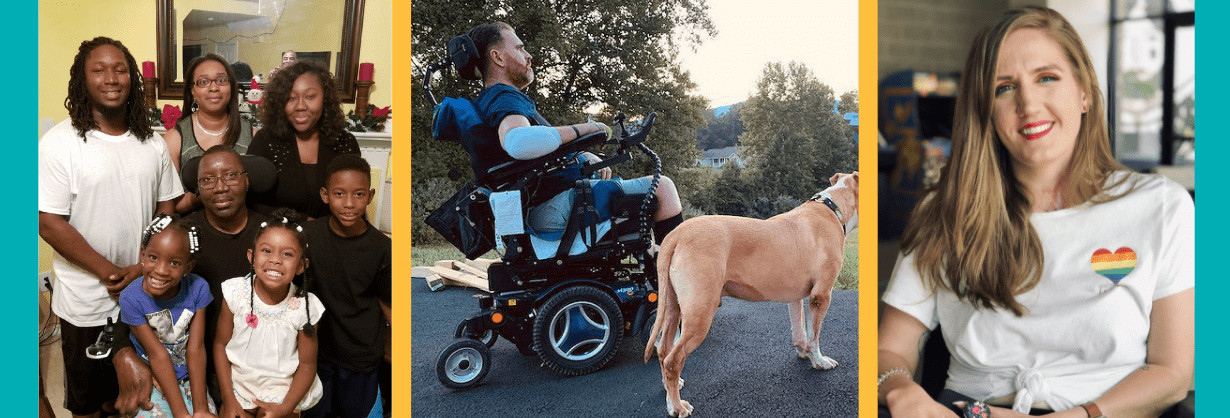
“WE DID IT EVERYONE!! This is a once-in-a-lifetime gift.”
Living with muscular dystrophy, Danny Stern has been using a wheelchair since he was ten years old. He earned his doctorate, passed the Bar, and secured employment as an associate attorney. When his accessible van became unreliable, Danny turned to Help Hope Live to fund a replacement. He met and surpassed his $35,000 fundraising goal.
"It is an amazing demonstration of what the TRUE meaning of a loving community is."
Leo Patnode experienced a brain stem stroke after urgent surgery during a business trip. His family turned to Help Hope Live for multiple stroke-related out-of-pocket costs, including inpatient and at-home physical therapy and round-the-clock caregiving. In 2026, the campaign in Leo’s honor surpassed $123,000 raised.
Ready to get financial support for EDS? Start your fundraising campaign now.
COMMON EDS EXPENSES
Health insurance premiums
Medical travel
Activity-based therapy
Specialized equipment
RESOURCES
Ready to Get Started?
If you choose to fundraise with our nonprofit, here’s how the process will look:
1. APPLY for assistance
2. YOU’LL BE PAIRED with a Client Services Coordinator
3. YOUR COORDINATOR will provide you with one-on-one fundraising help, including personalized fundraising materials and guidance on how to rally your community, share your story on social media, reach out to the press, plan in-person or virtual fundraising events, and more.
Need Other Financial Help Options?
For alternatives to fundraising, you can find information on a variety of other financial assistance options. Please view our Catastrophic Illness Resource Directory for insight into sources of direct financial aid, support groups, and other resources for spina bifida patients and their families.
PARTNERS IN HOPE
Our success as a fundraising site for medical bills wouldn't be possible if it weren't for our outstanding partners.

Vantage Mobility International
AMS Vans

Walgreens Specialty Pharmacy
KYW Newsradio 1060

Prelude Solutions

Abilities Expo

Global Genes Alliance