Finding Financial Assistance for Spinal Muscular Atrophy
Get fundraising support to offset the substantial costs of lifelong spinal muscular atrophy care.
Average Cost of Spinal Muscular Atrophy Treatment
The yearly cost of treating SMA averages $109,379 for US patients, depending on disease severity and treatment needs, before insurance coverage.
The cost of managing SMA is significant and can vary depending on the type and progression of the condition. Early intervention and ongoing care are essential for improving the quality of life and longevity for SMA patients, but these services also come with high costs.
Treatment for SMA often includes disease-modifying therapies (such as Spinraza, Zolgensma, or Evrysdi), genetic counseling, respiratory support, feeding support, physical and occupational therapy, and access to clinical trials.
Does Insurance Cover the Cost of SMA Treatments?
Insurance coverage for SMA treatments varies significantly. While most private and government plans may partially cover therapy, many families still face high out-of-pocket costs for medications, skilled therapy, equipment, and more. Prescription drugs can incur additional costs, and even routine therapies can result in steep out-of-pocket expenses.
Common Out-of-Pocket Costs Associated with SMA
The need for multifaceted, specialized care means that SMA families often face a variety of financial challenges, including:
- Health insurance premiums, deductibles, and co-payments
- Medications
- Travel expenses for rehabilitation and treatment
- Relocation or moving expenses related to the diagnosis (such as in the case of moving to be closer to a rehabilitation center or hospital for treatment)
- Temporary housing due to relocation
- Mileage, tolls, and parking fees for visits to rehabilitation center or hospital
- Specialized wheelchairs and other durable medical equipment
- Specially equipped vans and durable medical equipment
- Home modification related to the diagnosis
- Home health care services
- Assistive technology
- Physical therapy and vocational rehabilitation
- Respiratory equipment (cough assist machines, BiPAP, suction devices)
Get SMA Fundraising Support with Help Hope Live
Every SMA story is different, and so are the associated financial needs. Spinal muscular atrophy treatments and adaptive technology improve quality of life, but families often require robust support to bridge financial gaps.
At Help Hope Live, we are dedicated to empowering people living with SMA to raise funds for medical expenses through community-based fundraising. Our nonprofit medical fundraising services help families and individuals connect with their communities, alleviate financial distress, and focus on care and healing.
How SMA Medical Fundraising Works
Starting a fundraising campaign with Help Hope Live is simple and supportive. Here’s how it works:
- Complete a short campaign request at org/get-started/apply
- We will contact you if community-based fundraising is a possible option
- You’ll be paired with a Client Services Coordinator
- Your Coordinator will provide you with one-on-one fundraising help, including personalized materials and guidance on rallying your community, sharing your story on social media, reaching out to the press, planning in-person or virtual fundraising events, and much more
Why Choose Help Hope Live Over GoFundMe?
Help Hope Live differs from GoFundMe by:
- Verifying your medical need for complete donor confidence
- Enabling donations that are tax deductible
- Providing one-on-one fundraising help
- Managing all funds raised to protect your state-based benefits (funds raised are not considered personal income/assets to you)
- Paying bills directly, allowing you to focus on treatment and recovery
We are a nonprofit with more than four decades of fundraising experience and a 4-star Charity Navigator rating.
Does Medical Fundraising Work?
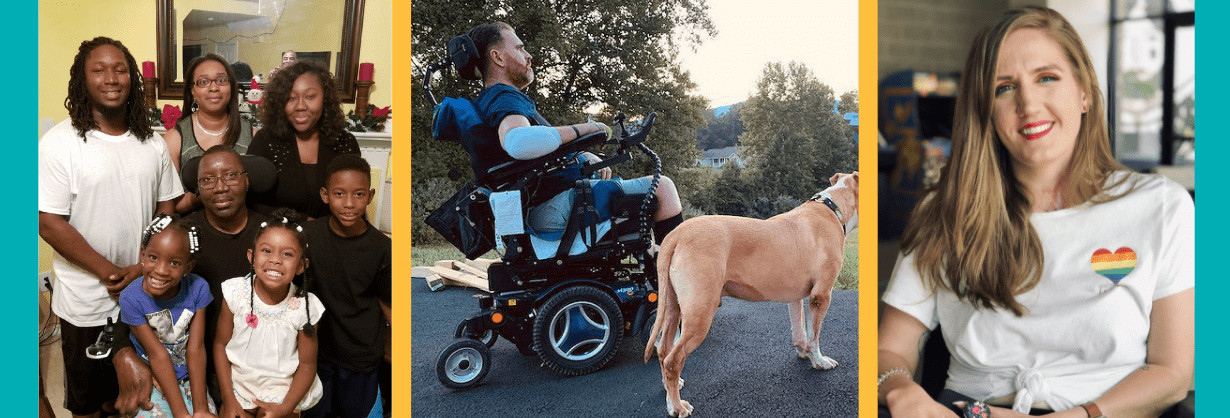
Here are a few Help Hope Live fundraising success stories:
Nick Hansberger is a hardworking professional with two jobs who is a beloved figure in his community. Born with spina bifida, Nick had been experiencing deteriorating mobility and independence: by 2021, he was no longer able to walk or operate a vehicle independently.
Nick began using his motorized wheelchair to travel the mile-and-a-half commute to each job, through inclement weather and physical discomfort.
His community started a fundraising campaign with Help Hope Live to bring reliable transportation within reach for him. They came within their $50,000 fundraising goal in just four months of fundraising.
"Our Help Hope Live Coordinator diligently guided us through the whole process. We raised 114% of our goal."
Paul Buckman was planning to retire when he fell while in his own bedroom and began living with quadriplegia.
Help Hope Live provided a tax-deductible, secure, and medically verified way for his community to play a role in his recovery during a time of overwhelming need. In 2018, his family shared the exciting news that they were able to secure an accessible van thanks to their fundraising campaign.
"Thank you for your kindness, support, and generosity."
Eileen Reedy began living with paralysis from the waist down when she experienced a devastating fall down the stairs. Eileen and her family suddenly faced over $200,000 in annual out-of-pocket medical costs just to manage the care needs associated with her level of paralysis. Unique fundraising events and support ranging from golf tournaments to online gaming events have brought critical care within reach for Eileen year after year.
MOST COMMON SPINAL MUSCULAR ATROPHY EXPENSES
Health insurance premiums
Medical equipment
Physical therapy
Preventative medicine
RESOURCES
Ready to Get Started?
If you choose to fundraise with our nonprofit, here’s how the process will look:
1. APPLY for assistance
2. YOU’LL BE PAIRED with a Client Services Coordinator
3. YOUR COORDINATOR will provide you with one-on-one fundraising help, including personalized fundraising materials and guidance on how to rally your community, share your story on social media, reach out to the press, plan in-person or virtual fundraising events, and more.
Need Other Financial Help Options?
For alternatives to fundraising, you can find information on a variety of spinal muscular atrophy financial assistance options. Please view our Illness Resource Directory for insight into sources of direct financial aid, support groups, and other resources for cancer patients and their families.
PARTNERS IN HOPE
Our success as a fundraising site for medical bills wouldn't be possible if it weren't for our outstanding partners.

Vantage Mobility International
AMS Vans

Walgreens Specialty Pharmacy
KYW Newsradio 1060

Prelude Solutions

Abilities Expo

Global Genes Alliance